



2025 has come to an end, and it’s been an incredible year. If I had to pick one word to describe it, it would be building.
This was a year of deliberate moves. Six new products launched across the portfolio. The team invested heavily in AI adoption. I completed the largest stock buyback in our company’s history. And at home, we welcomed our baby girl, Aliyah. I’m deeply grateful for everything that happened. The years that stretch you are usually the ones that compound positively.
Since everything happens so fast, I usually don’t get a chance to document it all in one place. This is why I do a yearly recap (2024 | 2023 | 2022 | 2021 | 2020 | 2019 | 2018 | 2017 | 2016 | 2015), so I can keep a diary for myself to reflect on as I get older.
I have also been told by many friends, family members, and readers that they love my year end recaps, so that is just double motivation for me to write this blog post.
Plus, I think it’s going to be helpful for Solomon and Aliyah (our newborn).
Let’s take a look back at everything that happened this year.
TLDR: I turned 35 years old, visited 5 countries, launched 6 new products, completed my largest stock buyback to date, made several investments, and we welcomed our baby girl (Aliyah). I am very excited to finally be a girl dad 🙂
Here’s a table of content in case you want to jump to specific sections:
Personal Highlights
As I reflect back on the year, I have a lot to be grateful for, and I’m blessed beyond my wildest dreams.
Solomon turned 9 years old this year. Time is truly flying by, and he’s growing up fast. I really enjoy our backyard cricket matches which is a daily highlight for me. It’s also very cool to see him use AI on a regular basis including building games with Replit + using Gemini for graphics and research.
We welcomed our baby girl, Aliyah. She’s adorable and I’m very excited to be a girl dad.
One of my personal goals every year is to build as many great family memories as possible through shared experiences because ultimately family is the greatest gift of life.

Travel & Experiences
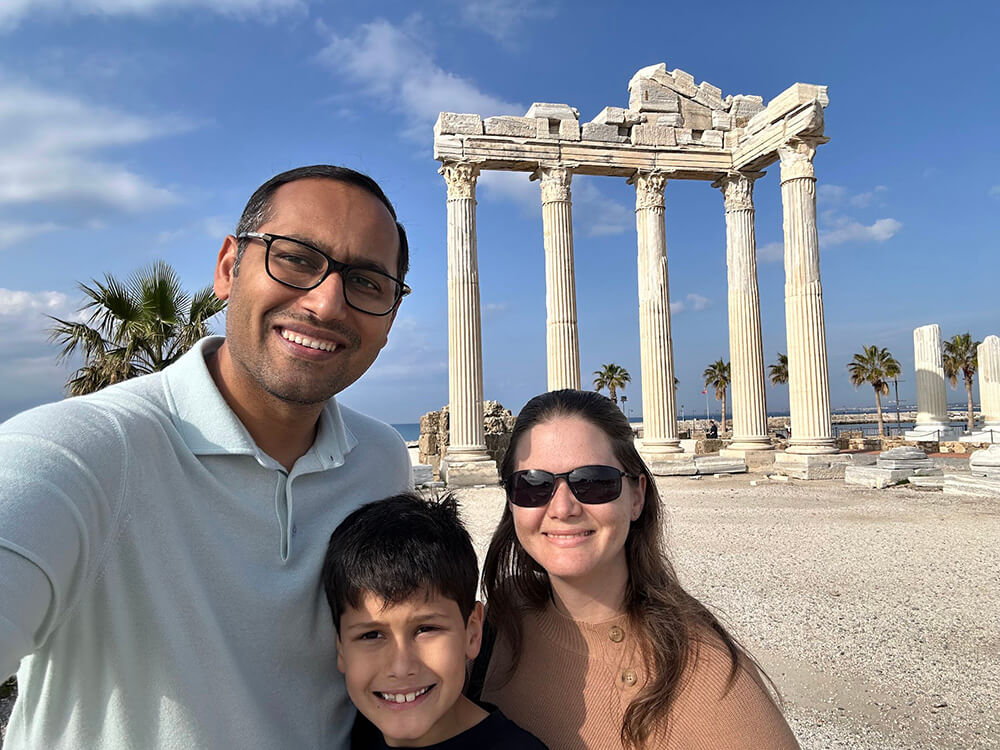
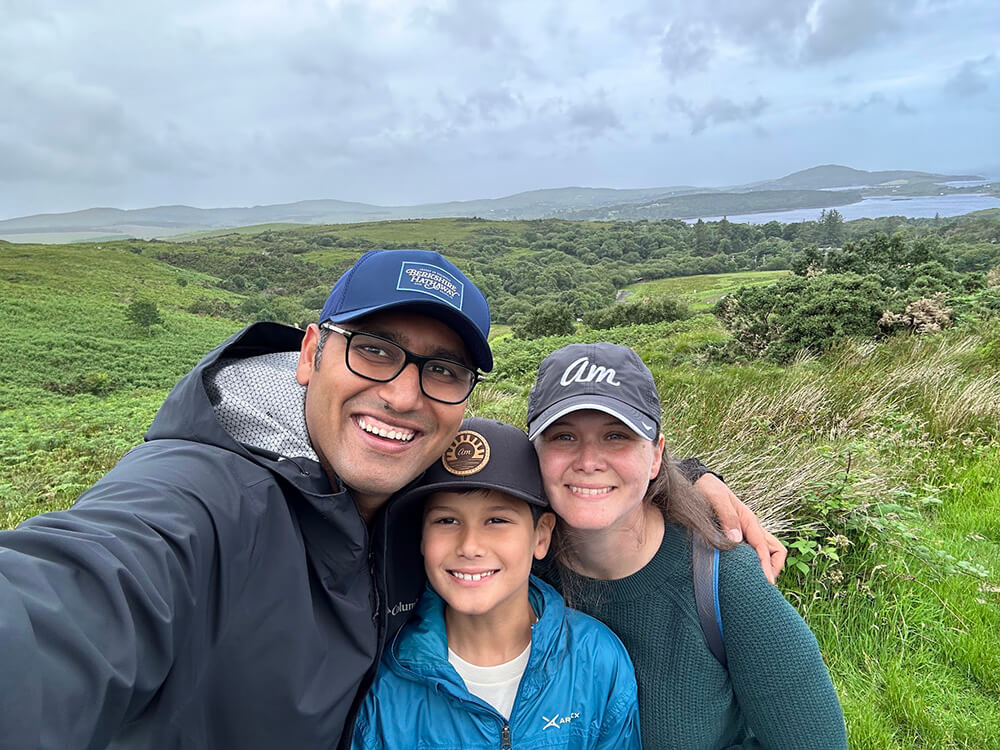
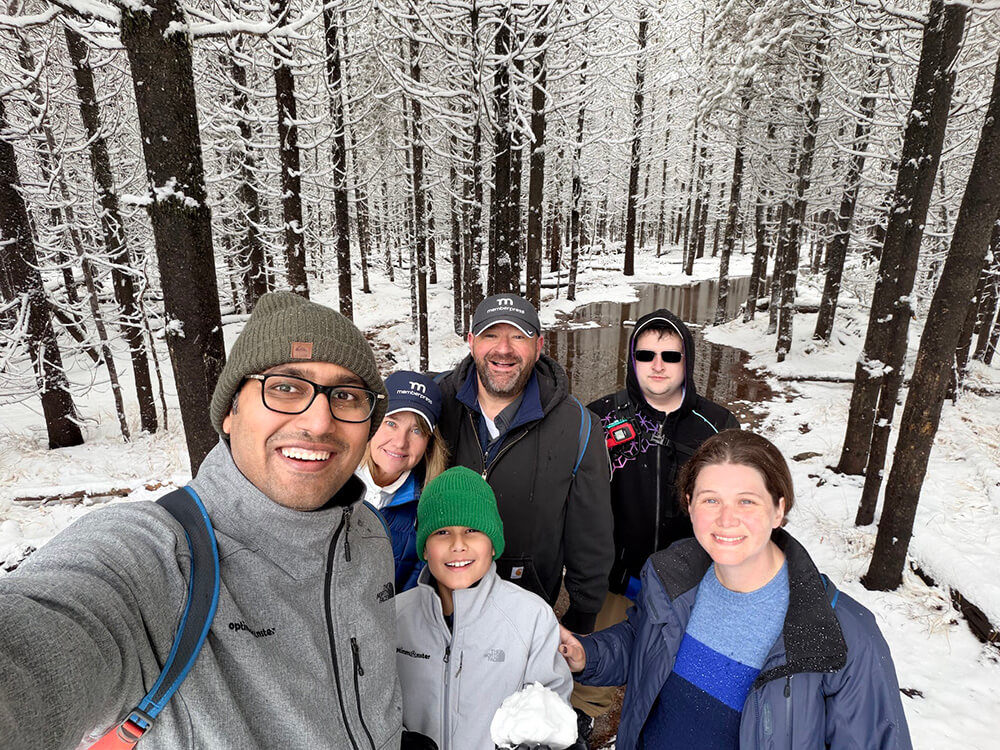
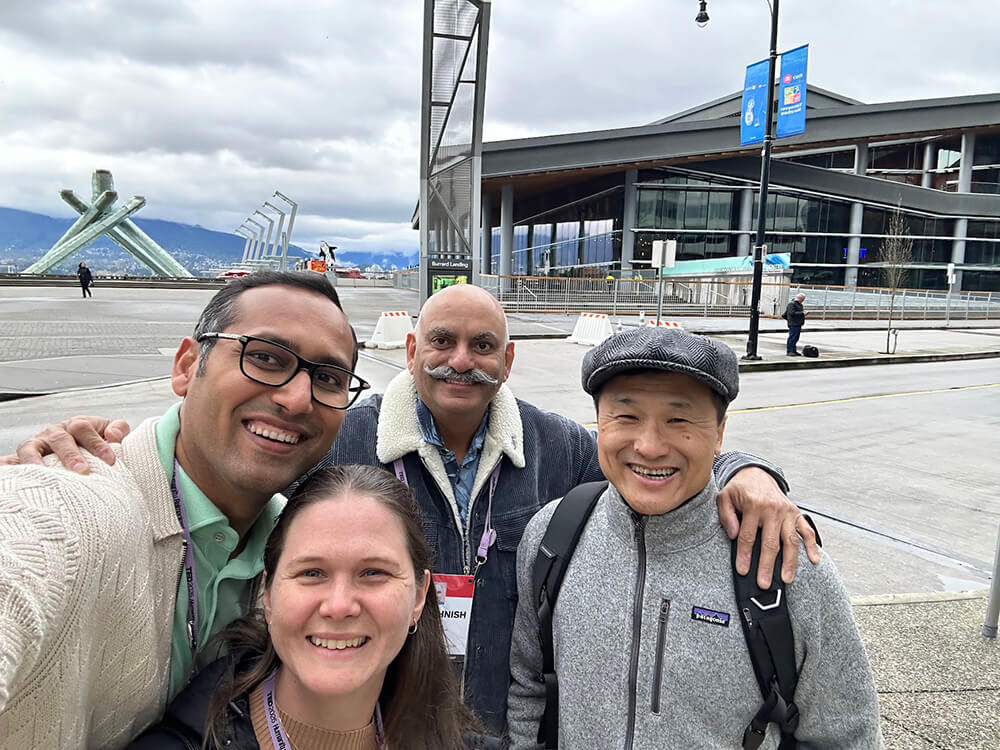
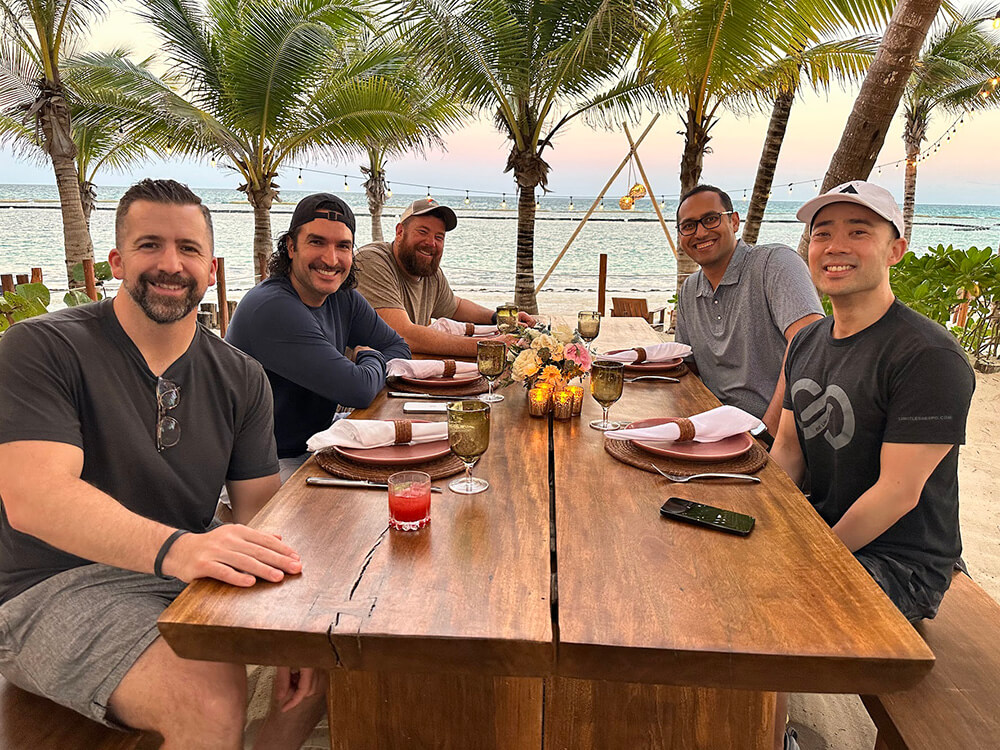
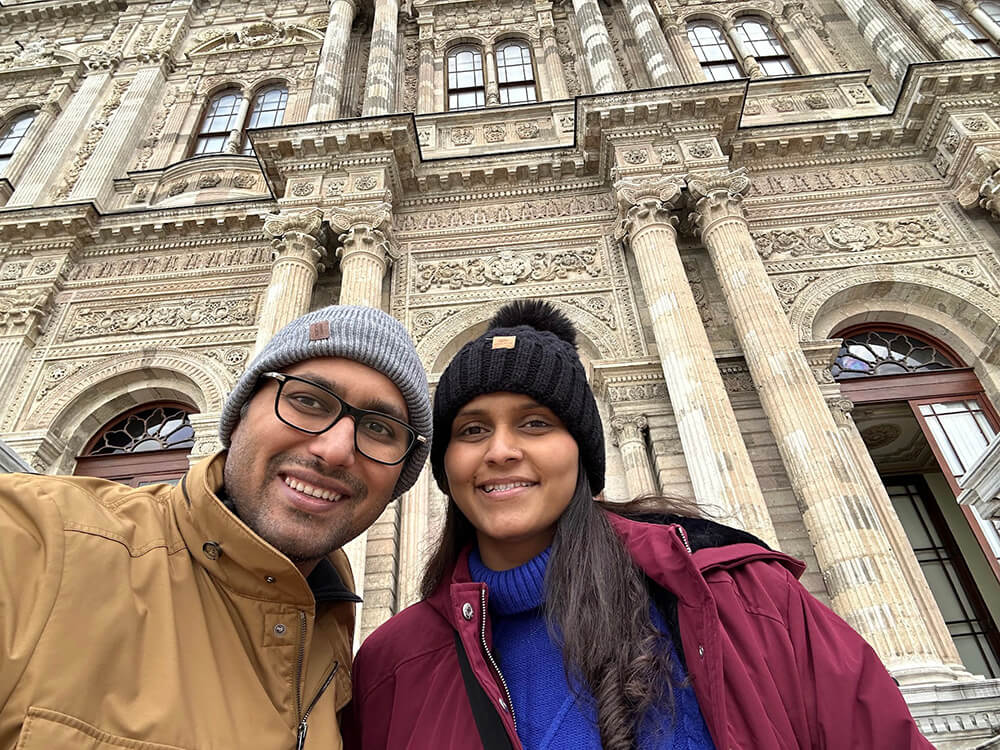
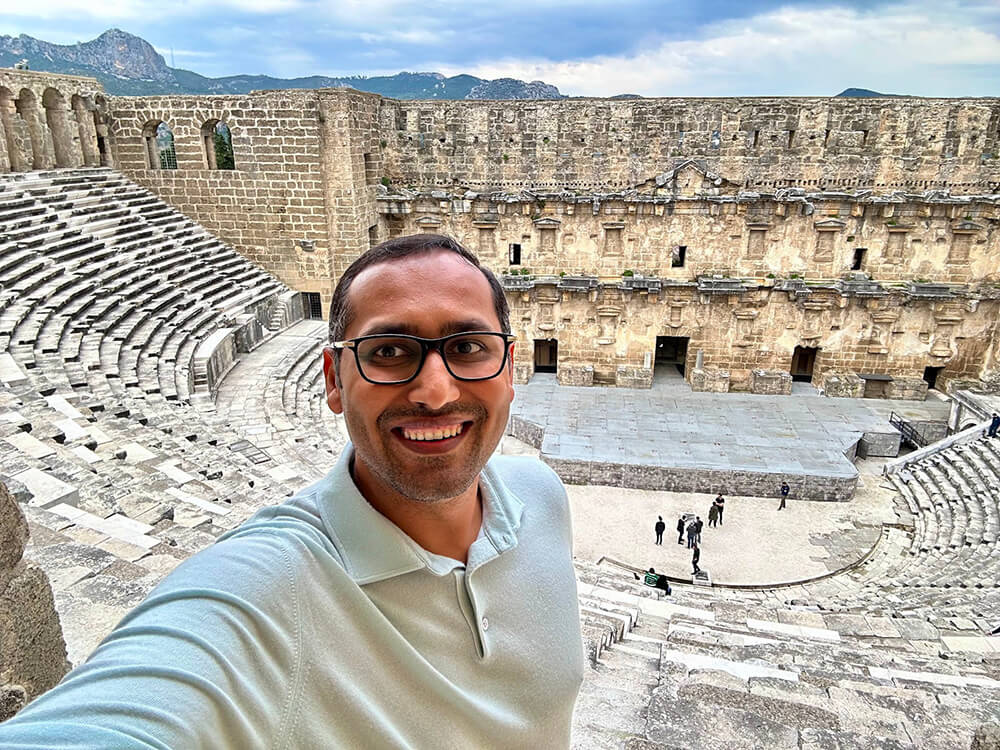
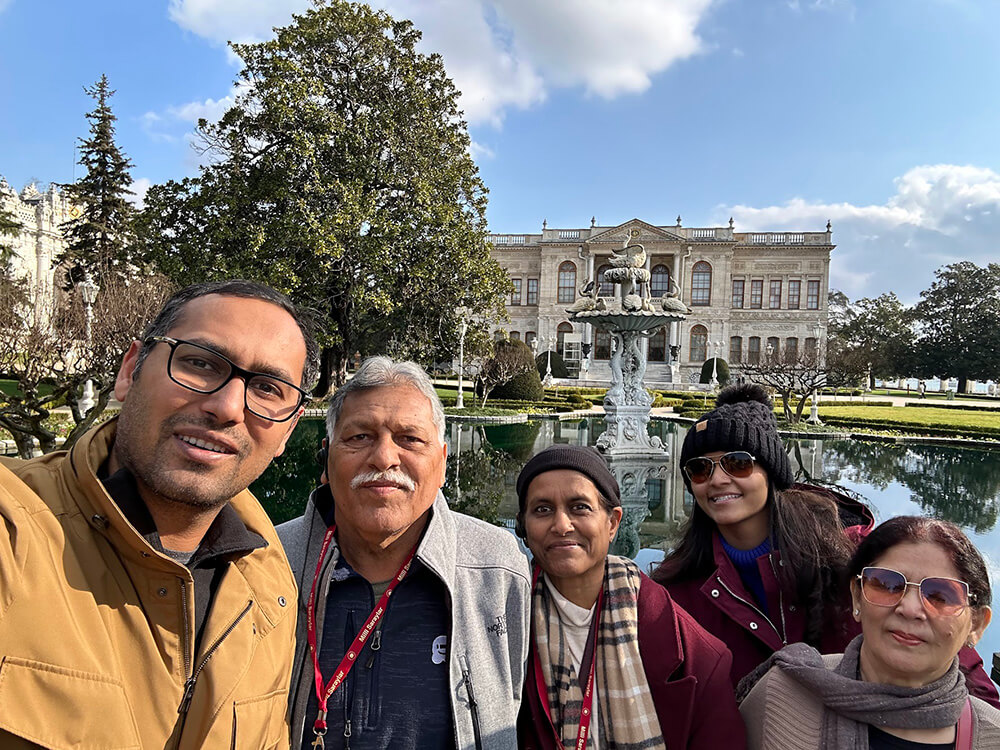
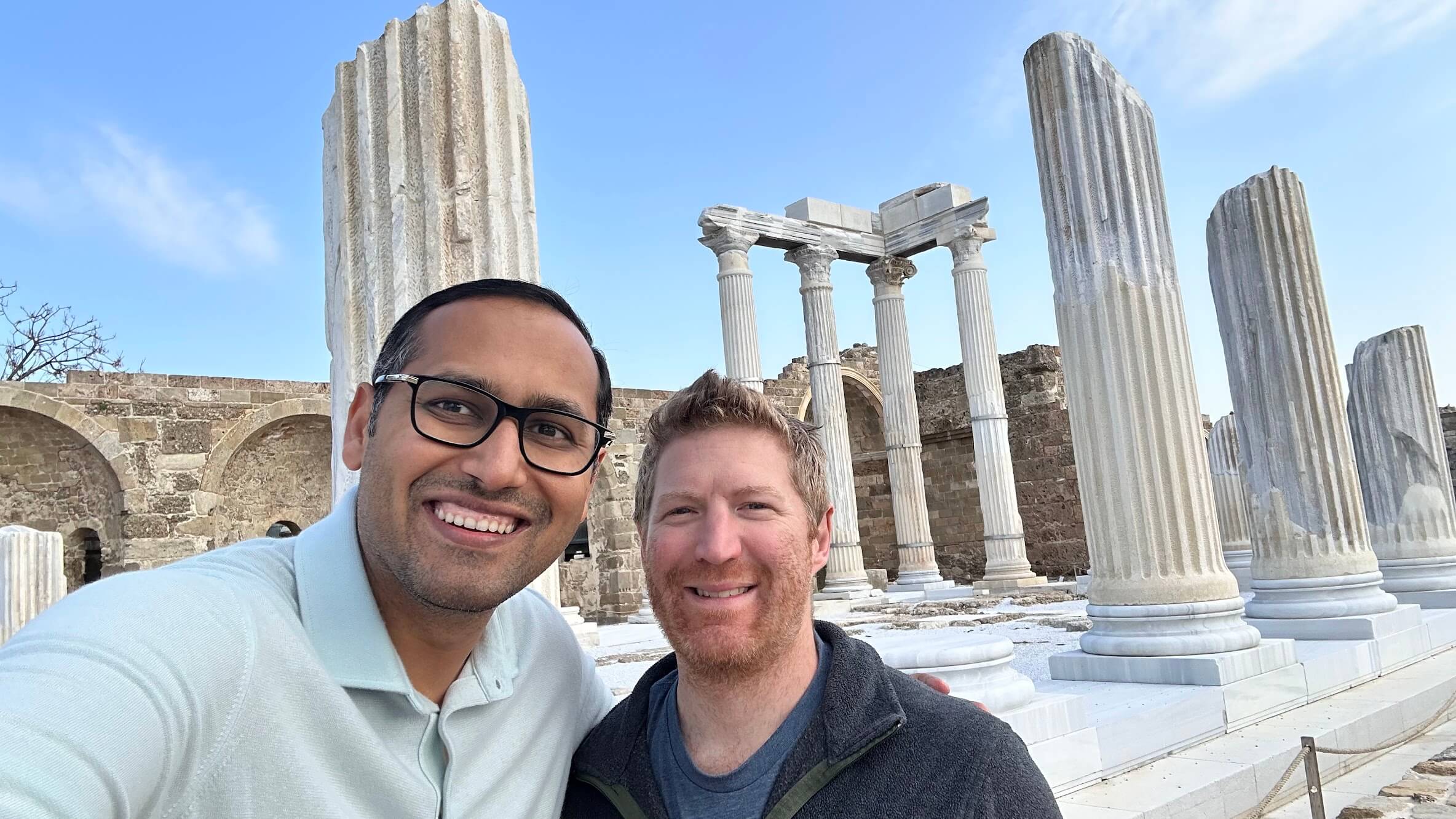
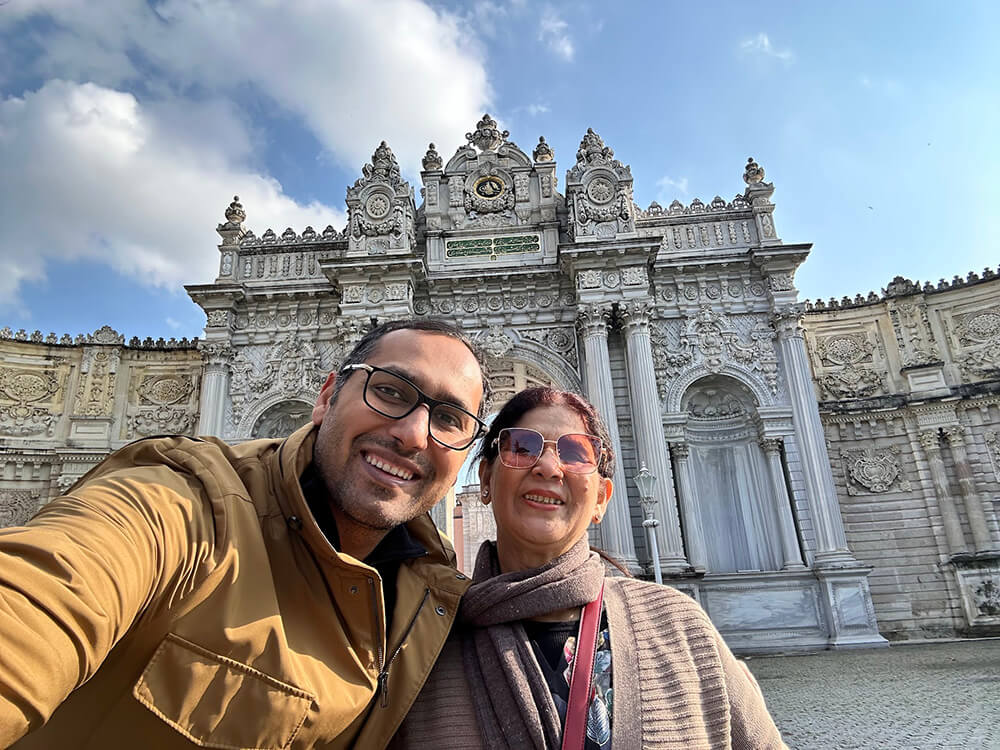
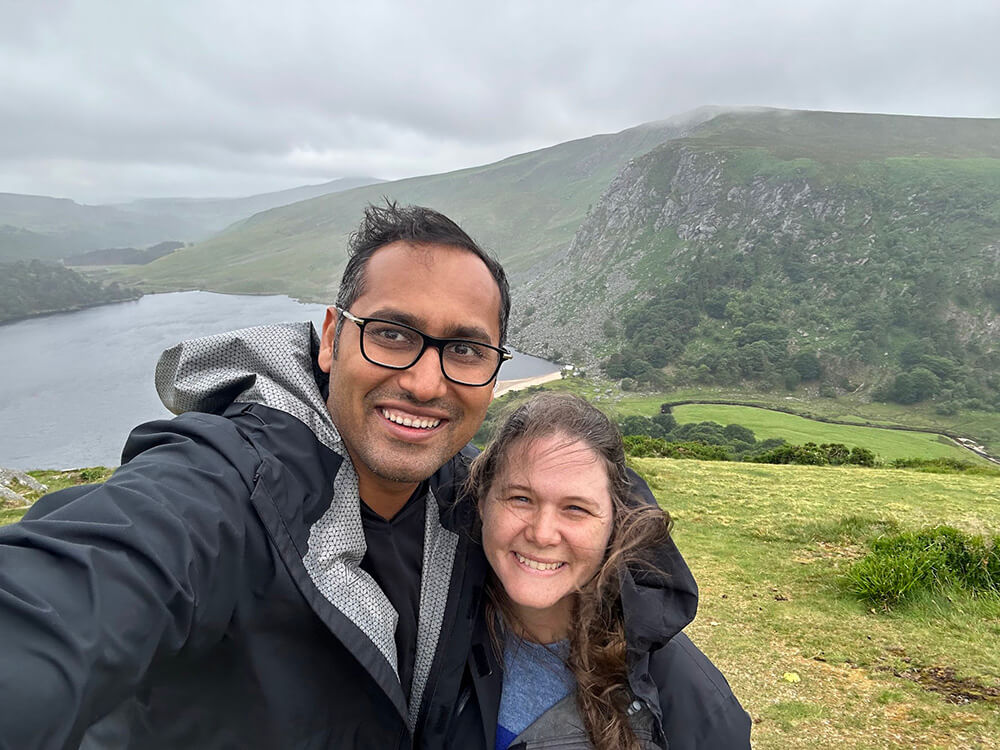
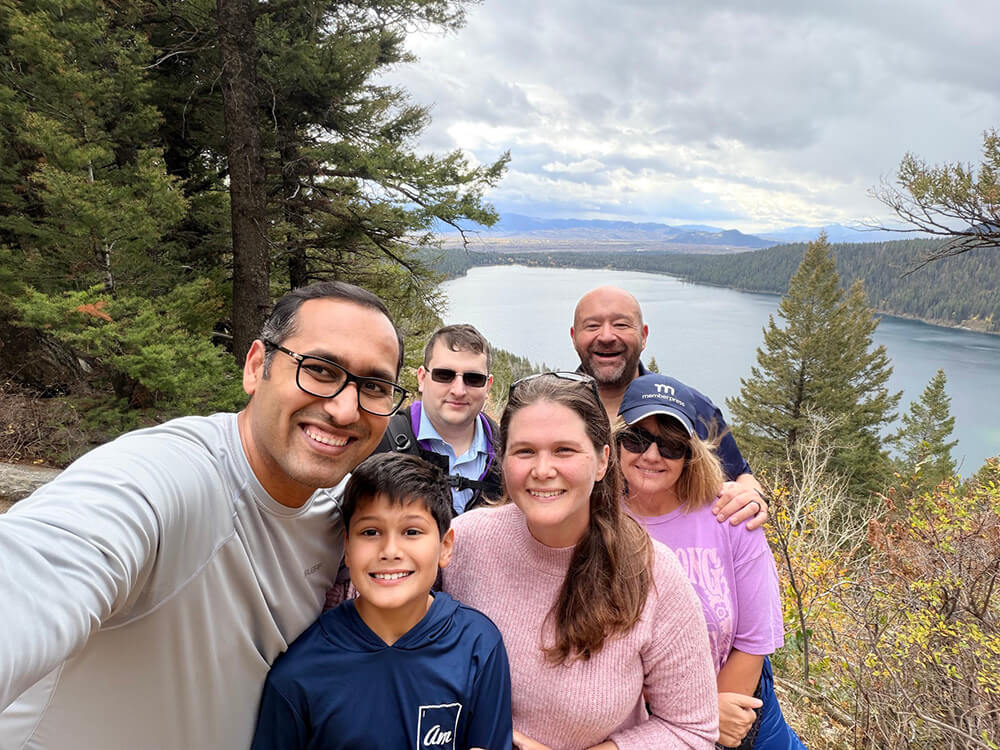
This year, I traveled to Turkey (for our company retreat and Growth Fund meetup), Mexico (for a mastermind), Vancouver (for TED), Omaha (for the Berkshire meeting), Portugal, Ireland, Wyoming, and NYC.
A few highlights:
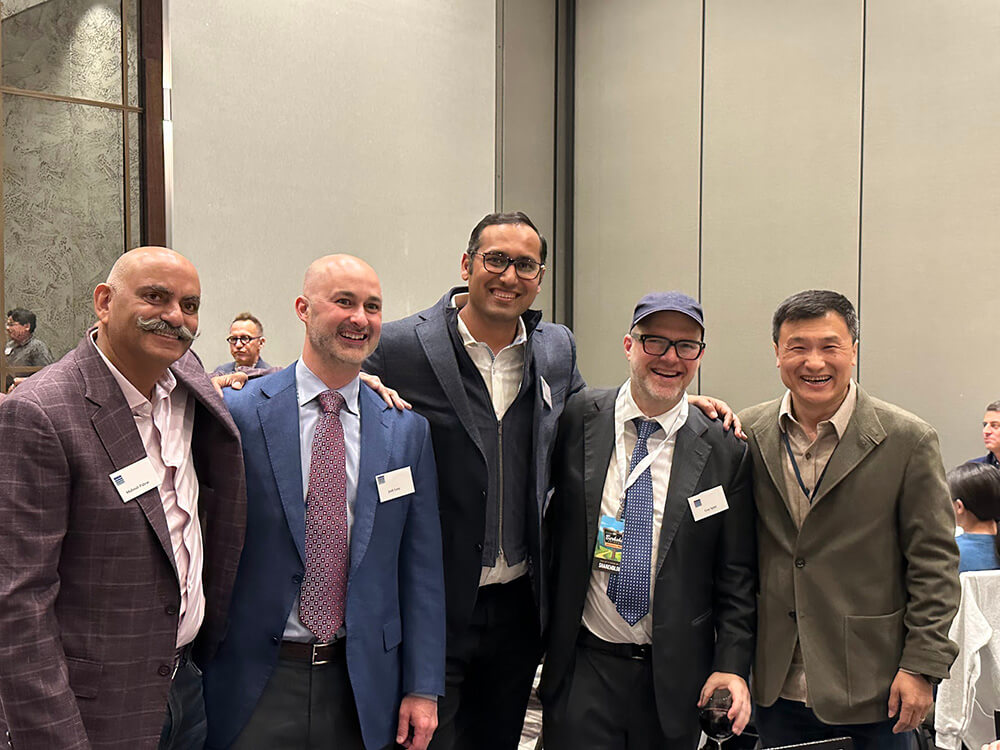
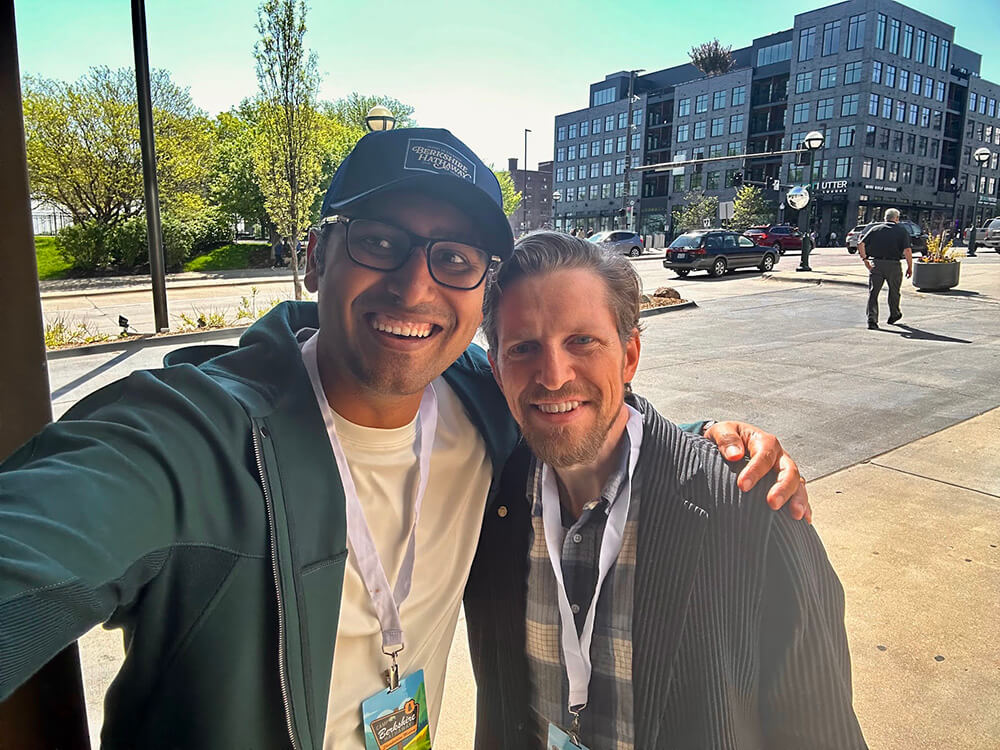
The Berkshire meeting this year was especially meaningful because this was Warren Buffett’s last year speaking as CEO and chairman. As always, it was a masterclass in communication and full of wisdom. It was also great to hang out with Mohnish, Guy, Li Lu, Josh, and other fellow investor friends.
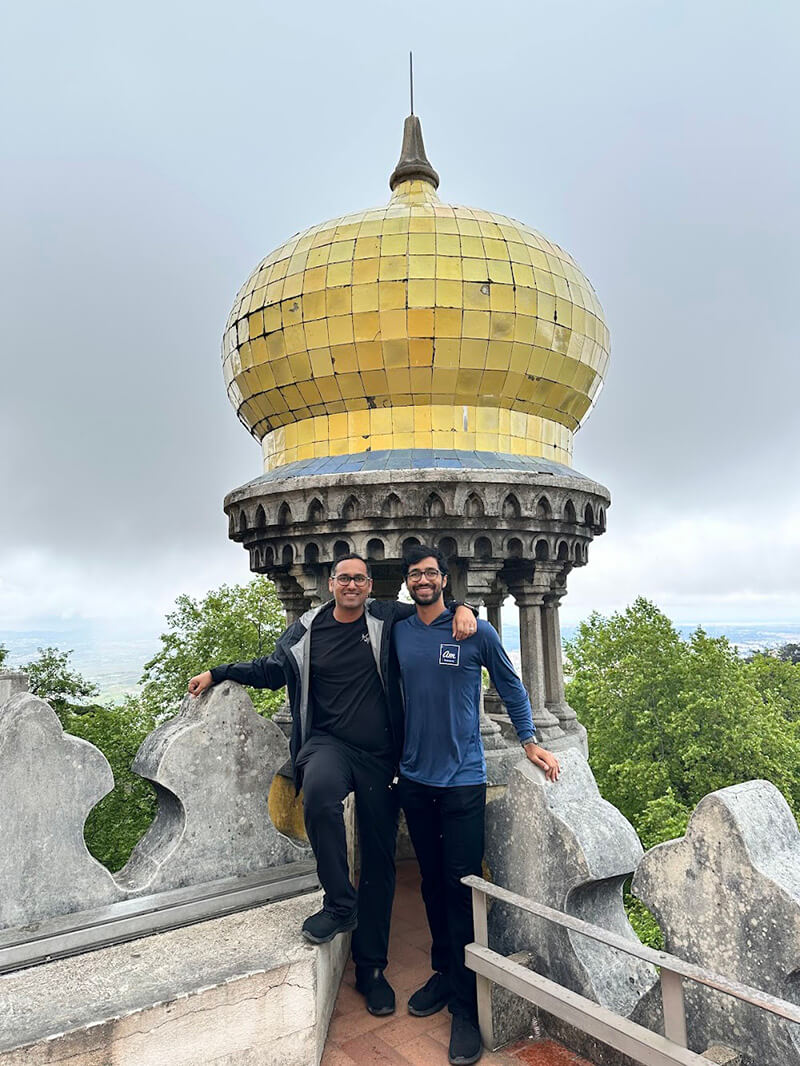
My brother Zain and I took a trip to Portugal together. He’s graduating college soon, so it was great to spend quality 1:1 time with him.
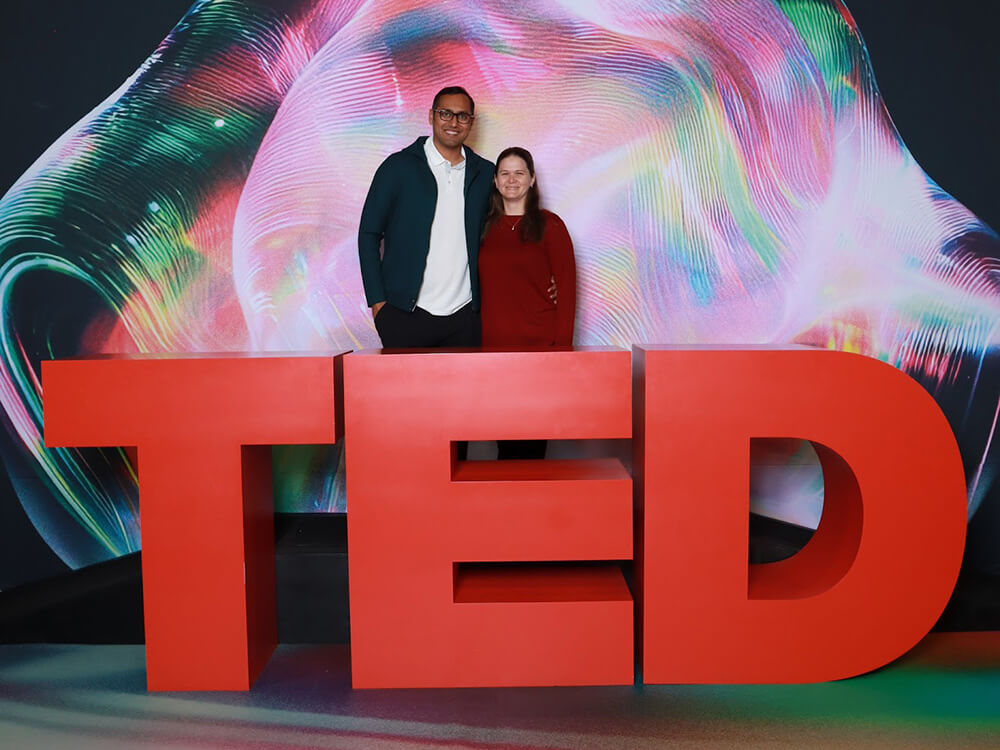
Amanda and I attended TED in Vancouver. It was our first international trip without Solomon, which was a bit nerve-wracking but a good milestone for us.
Since we were expecting Aliyah, we minimized travel in the second half of the year, which gave us more time at home as a family.











Solomon Moments
Three highlights with Solomon this year:
I took him to tour the local Amazon warehouse after he bought some Amazon stock with his birthday money. It was great to have him learn more about a business that he’s invested in. Highly recommend this fun activity with your kids.
During winter break, Solomon wanted to go fishing. He caught a 35 lbs Amberjack along with several snappers. Zain and I had to help reel it in given the size.
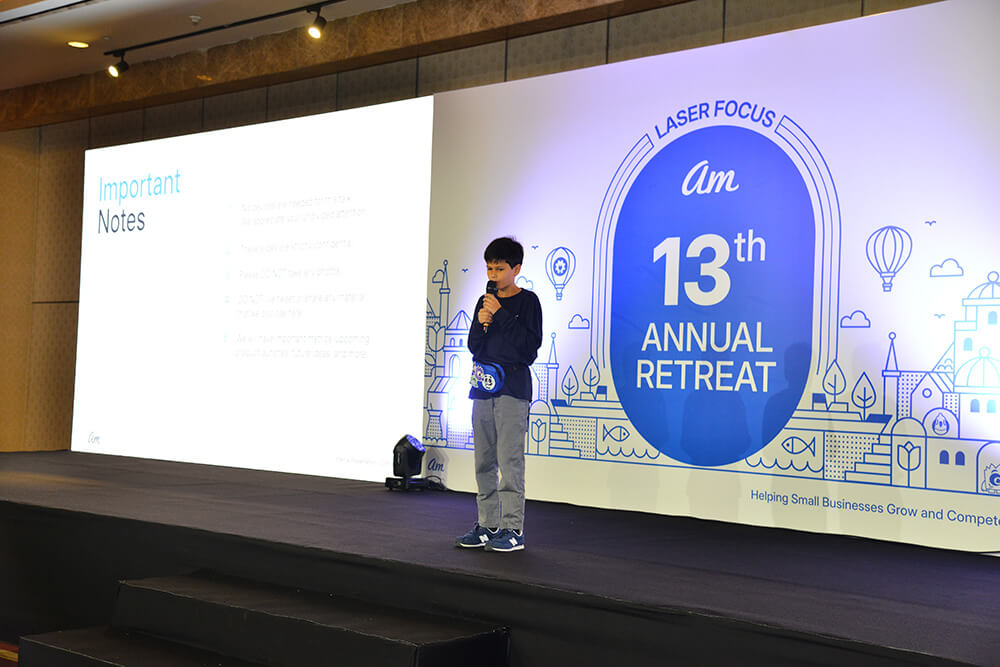
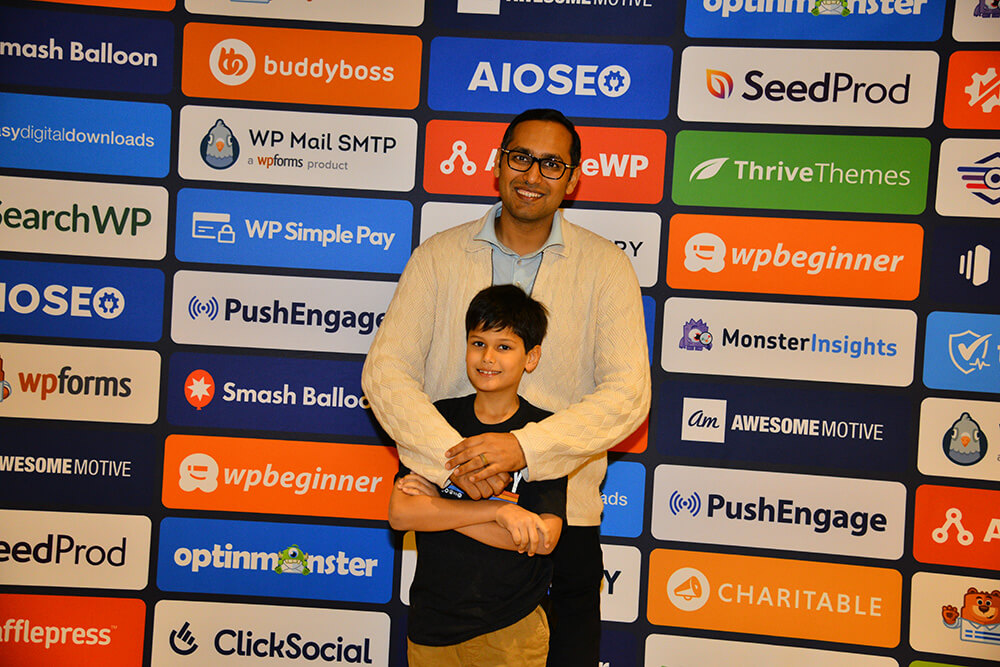
Solomon also spoke in front of 200+ people at the AM retreat which was a proud moment for me.
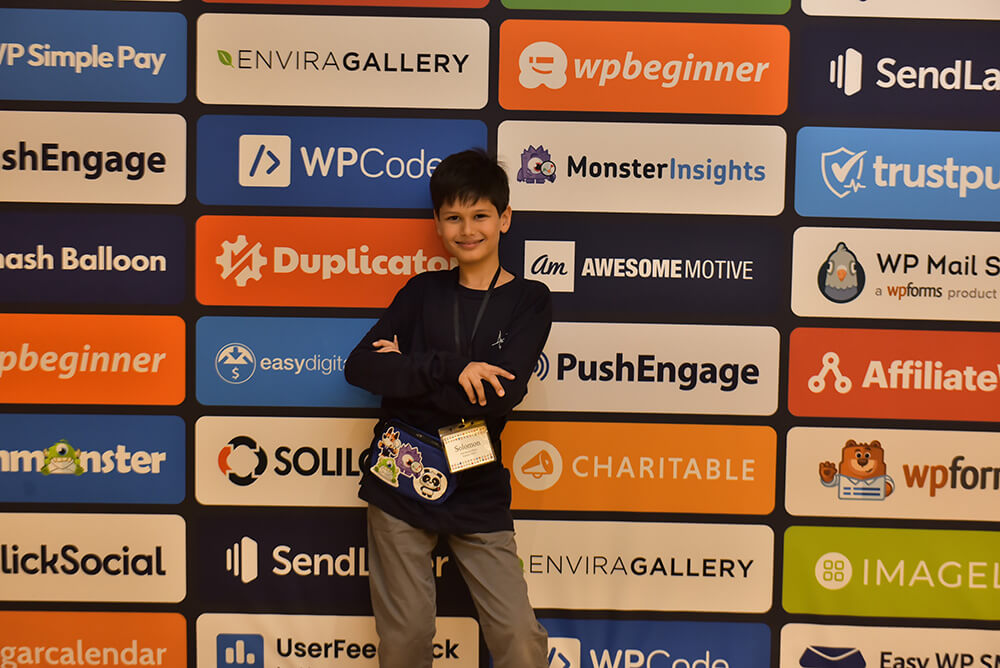
Fun photo highlights with Solomon:










Looking back on these moments, I’m filled with a deep sense of gratitude that words can hardly capture. I will definitely be carrying this feeling of appreciation into the year ahead.
Business Highlights
2025 was another record year for the business, but it looked a bit different than years past.
We shipped six new products. We invested heavily in AI adoption across the team. I said goodbye to a long-time partner and friend which led to the largest stock buyback in the company’s history. And we made some hard but necessary decisions about who we need on the team going forward.
Change isn’t inherently good or bad, sometimes it’s just necessary. One thing I’ve learnt over the years is that growth and comfort hardly ever coexist, at least not for long. I’m truly grateful for everything that happened this year and I’m proud of everything our team accomplished.
Company Retreat
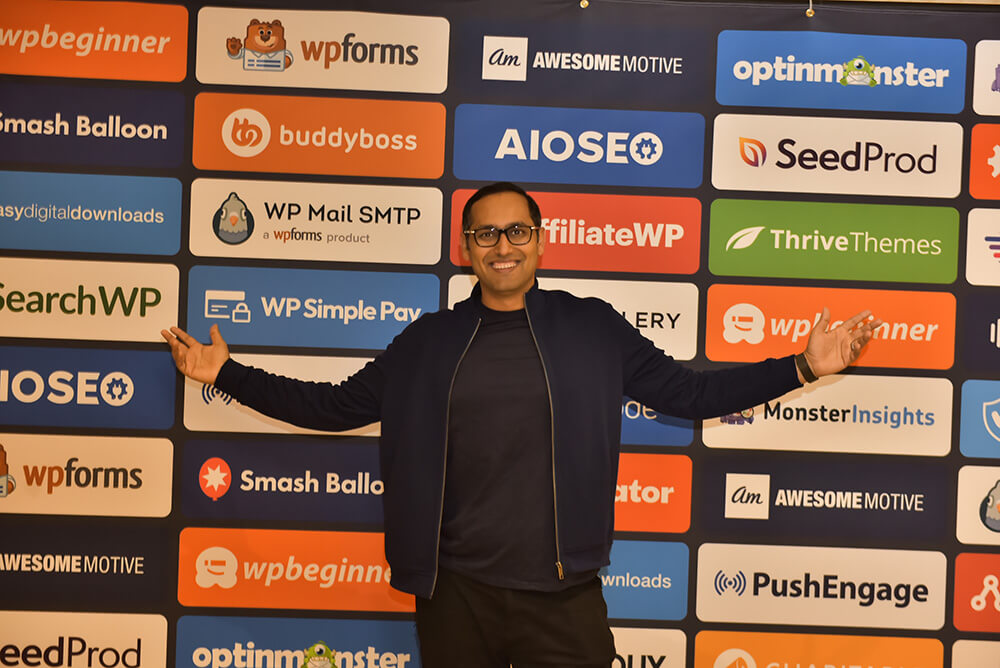
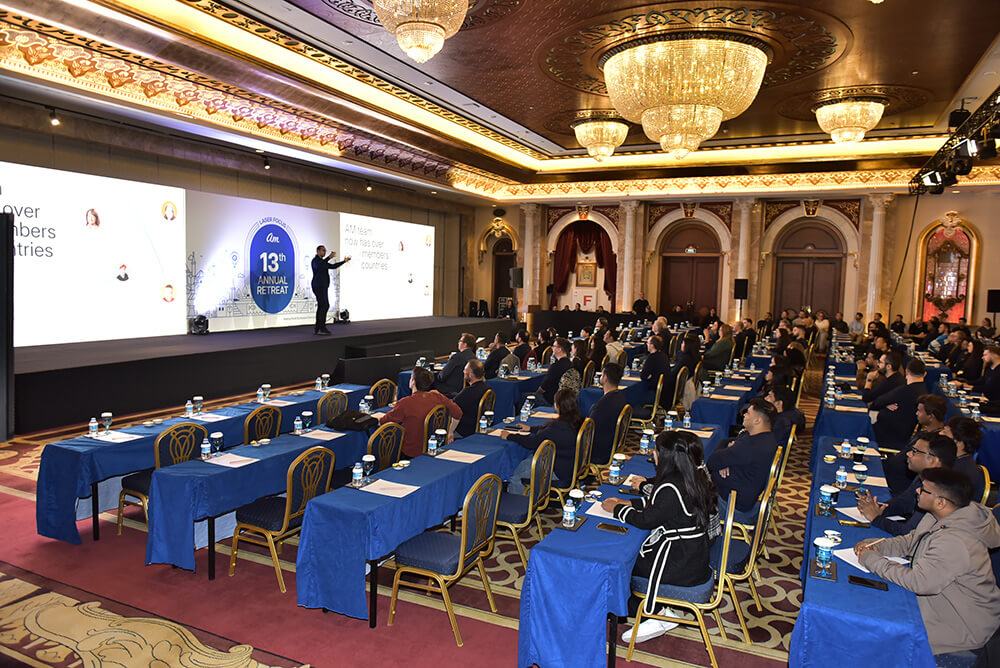
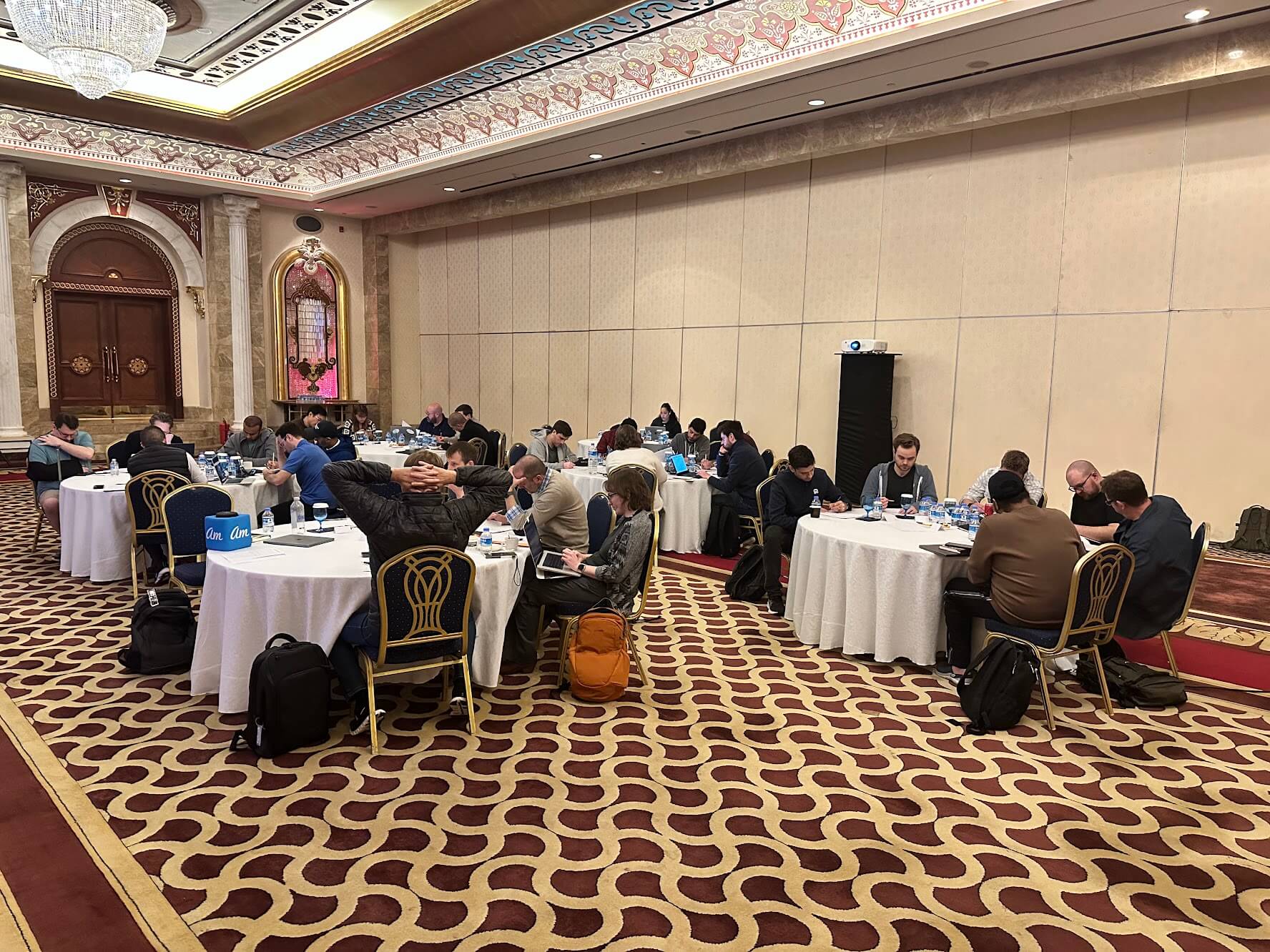
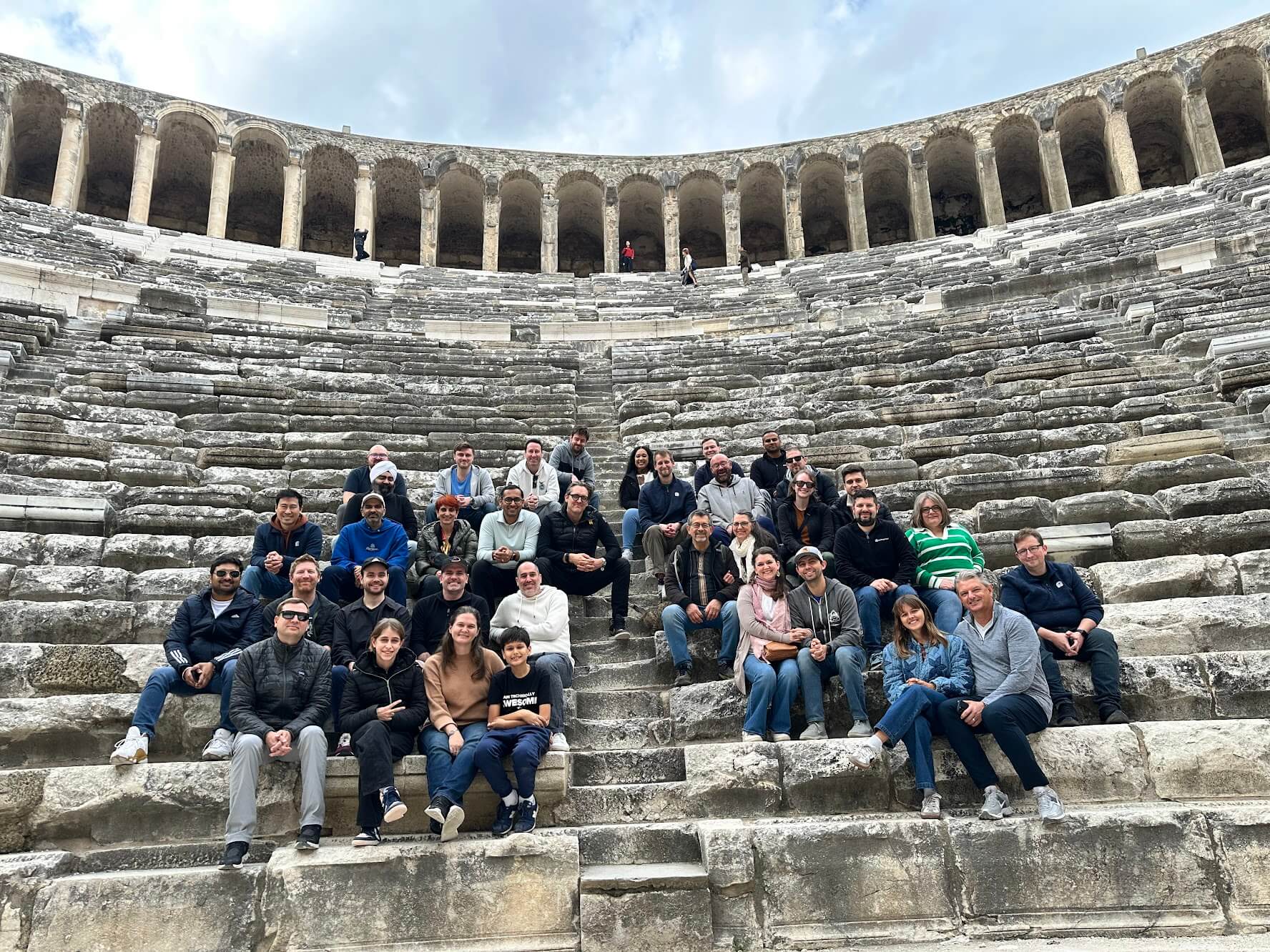
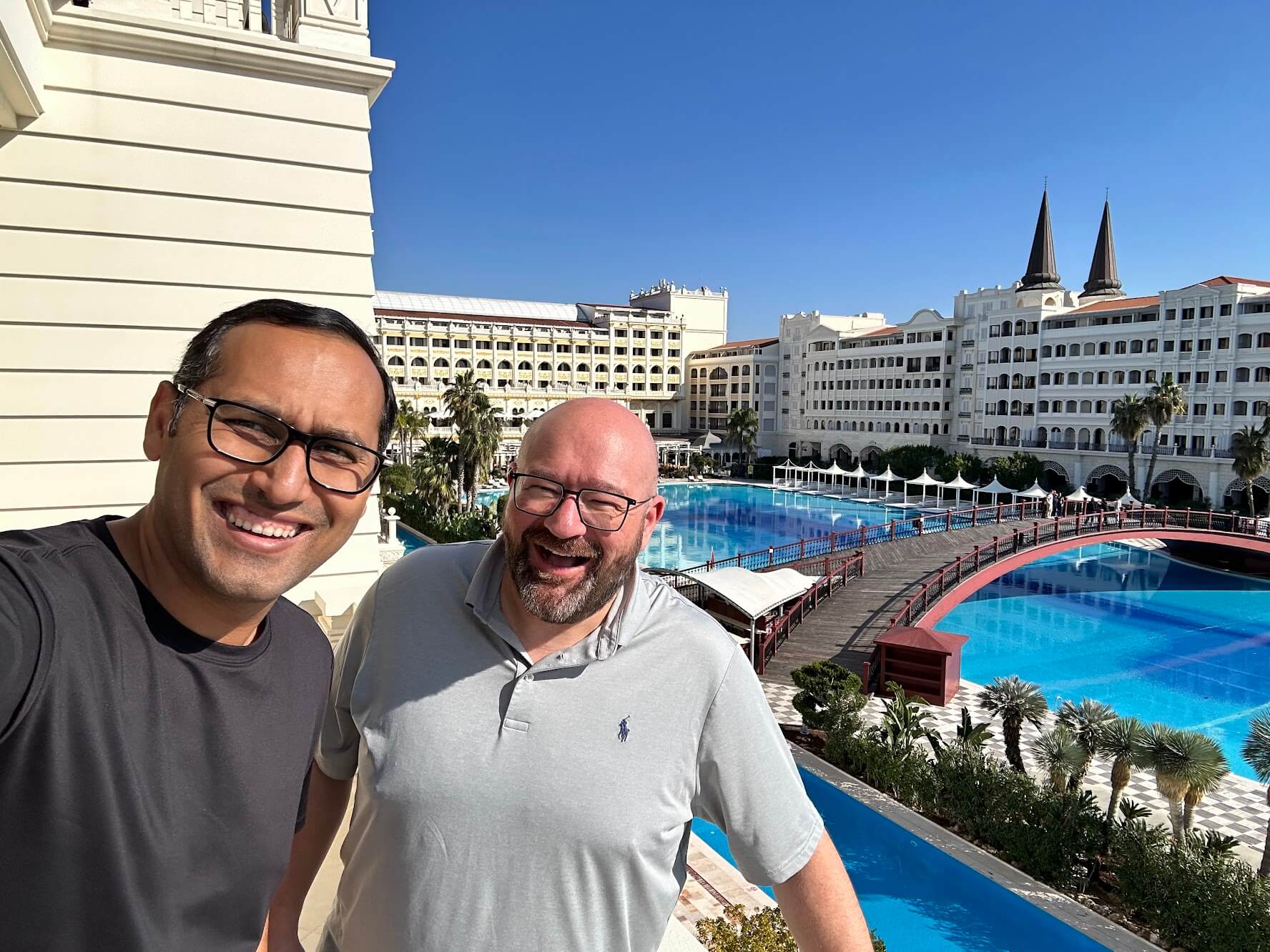
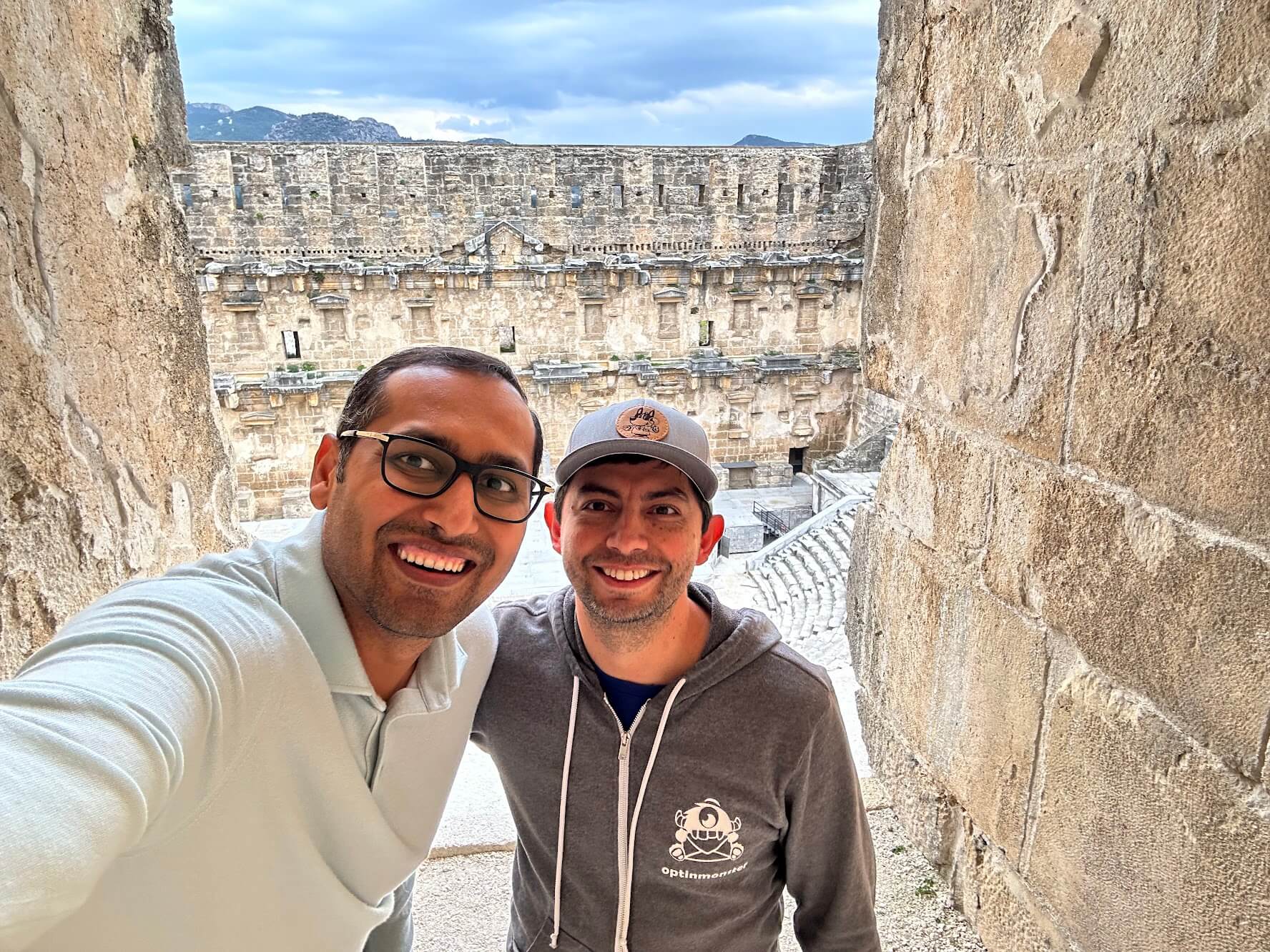
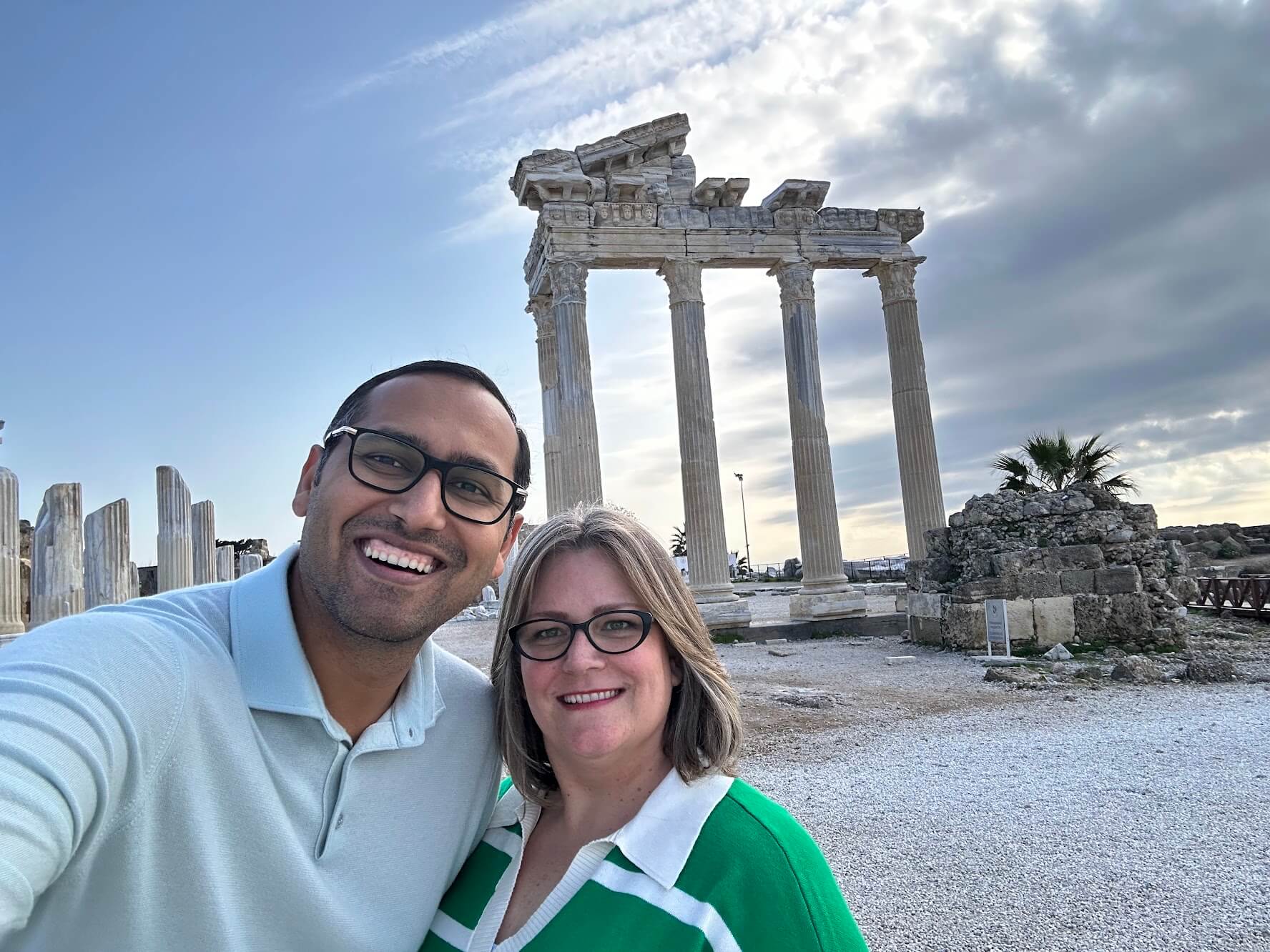
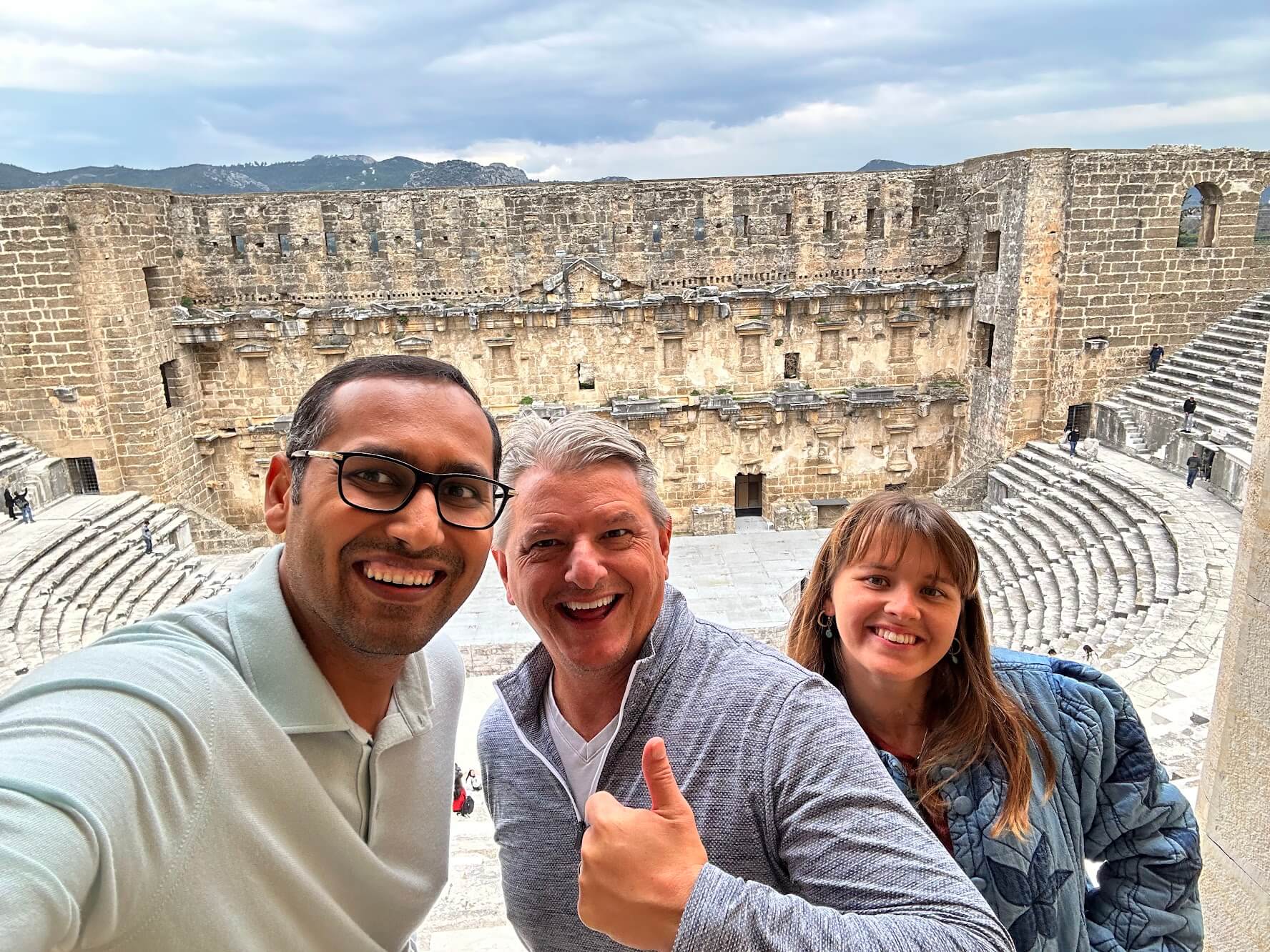
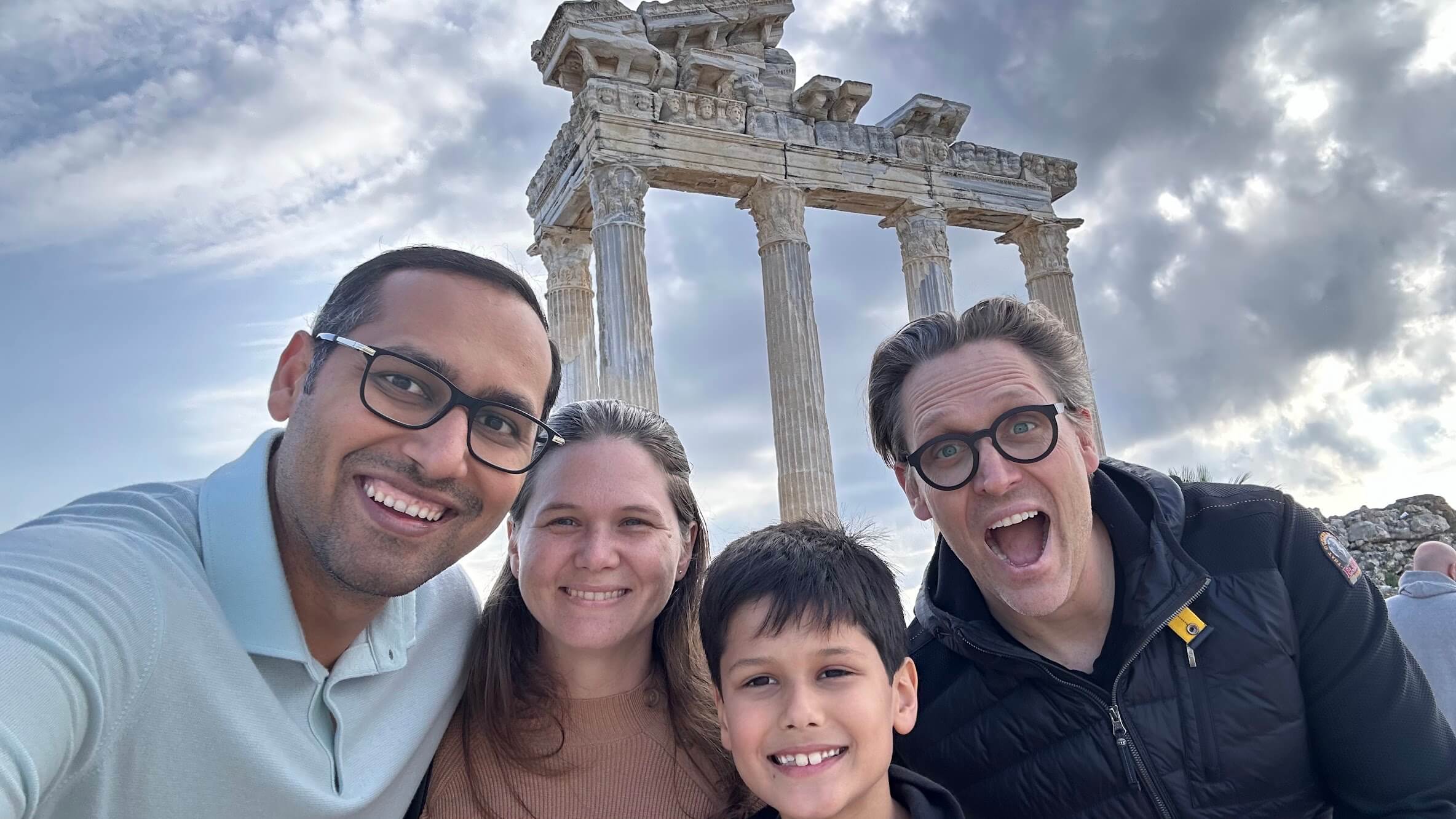
This year we held our company retreat in Antalya, Turkey at the Mardan Palace. The team had a great time, and the venue was great.
One change we made this year was we switched to 10 minute lightning talks instead of the usual 30-40 minute presentations. This turned out to be a great decision as it allowed more people to share ideas and kept the energy high throughout the sessions.
I’d recommend this format to any company doing internal talks.



Growth Fund Meetups
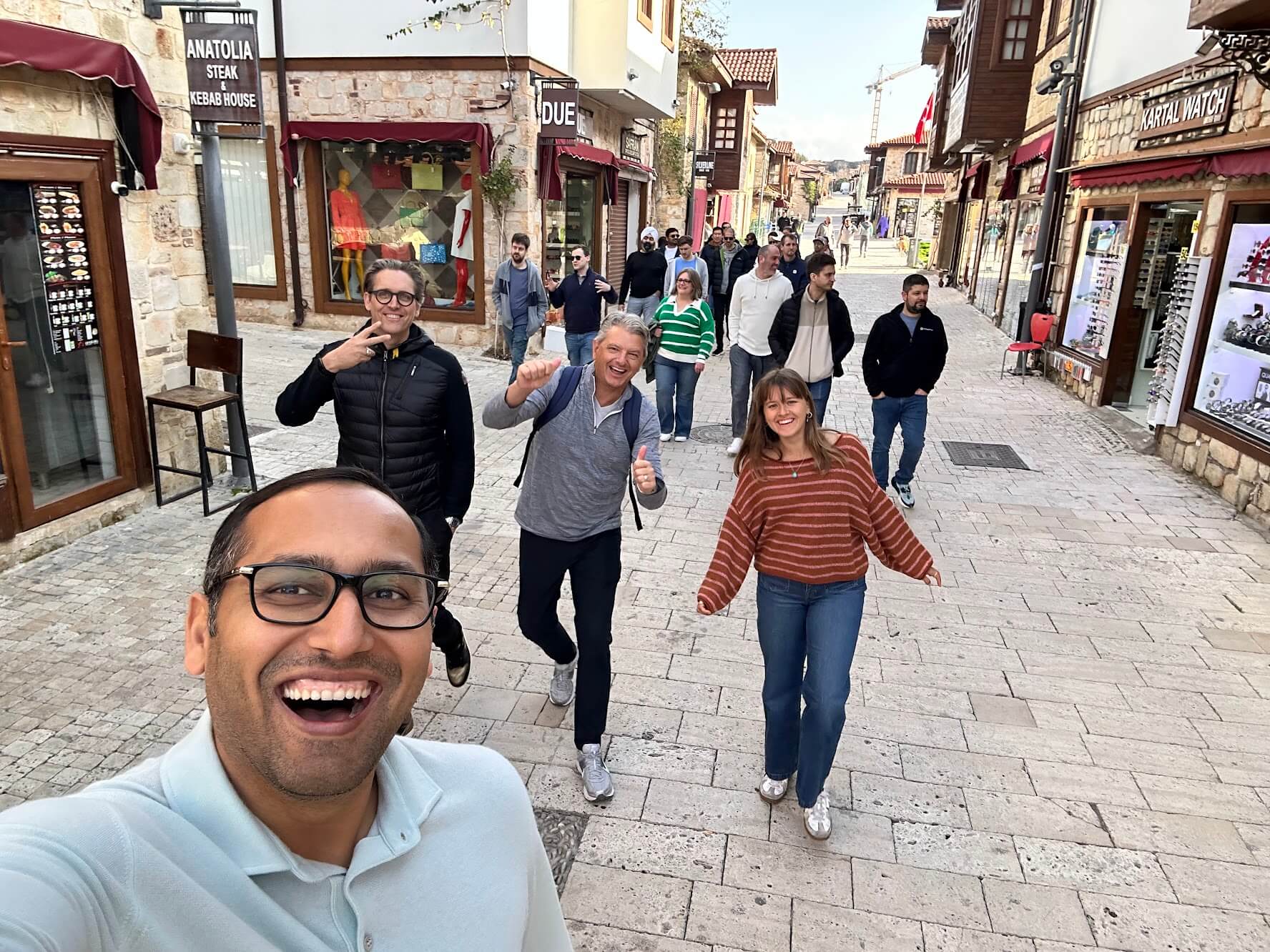
We hosted two Growth Fund meetups this year – one in Antalya (at the Mardan Palace, right before our company retreat) and another in Orlando.
These gatherings continue to be one of my favorite parts of the year. Getting founders and leaders of our companies together in person to share what’s working, what’s not, and what different brands are focusing on is invaluable. I always leave energized.
Want me to invest in your business? Apply here.
Investing in AI Adoption
This year, we made a deliberate effort to help our team build AI proficiency, not just through mandates, but through opportunities to experiment.
We held several AI hackathons throughout the year, both in-person and virtual. The format was simple: pick a problem, build a solution using AI tools, and demo it to the team.

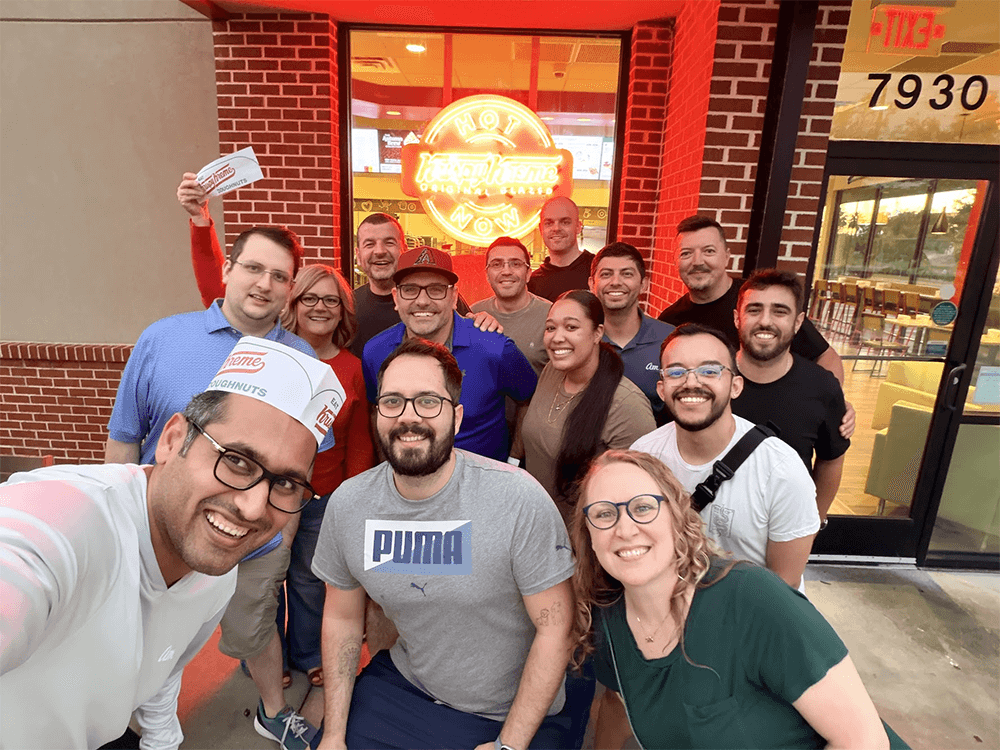
We also launched an AI Fridays initiative which allows for dedicated time each week for team members to experiment with AI tools in cohorts and share what they’ve learned.
So far our AI Adoption has been uneven, which is to be expected with any big change. Some team members dove in immediately and are now operating at an entirely different level. Others are still finding their footing.
The important thing is that we’ve created the space and clarified expectation for continuous learning. The tools are there. The support is there. The rest is up to each individual.
What I’ve observed is that AI proficiency compounds. The people putting in consistent reps are pulling ahead not because they’re smarter, but because they’re willing to be beginners again. That mindset will determine who thrives in the years ahead.
We’ll keep investing in these initiatives and I recommend all companies to do the same. The gap between those who adapt and those who don’t is only going to widen. I’ll share more below under the Observations and Lessons section.
Building the Team for What’s Next
As the business evolves, so does what we need from our team. This year, we made some deliberate changes not in response to any financial pressure, but because we’re building for where we’re going, not where we’ve been.
We parted ways with a small number of team members. In some cases, the nature of the work shifted significantly. What a role required a year ago isn’t what it requires today, and that’s not a failure on anyone’s part. It’s just a mismatch. In other cases, it came down to performance.
These were targeted decisions made thoughtfully and carefully. Many of the people who’ve moved on contributed meaningfully to getting us here, and I’m grateful for that. I wish them well in what’s next.
To those who remain: thank you for stepping up. I’m proud of what we’re building together.
The AI Literacy Moat
The goal has never been to have the biggest team. It’s to have the right one and what “right” means is changing fast.
I believe the companies that win long-term will be the ones that build what I’d call an AI Literacy Moat. Those who learn to prompt effectively, integrate AI into their workflows, and understand its capabilities and limitations will build sustainable competitive advantages.
It flips the old playbook. Instead of getting better by getting bigger, teams are going to get exponentially more productive by getting smarter about leveraging these tools. A single skilled person can now deliver what used to require a whole team.
My goal is to foster this culture at AM.
If you’re a developer or growth marketer who aligns with this vision, check out our Careers page. If you don’t see the listing that fits you, send me a message on LinkedIn or Twitter. I want more AI-first Impact Players to join us.
New Product Launches
This year we launched six new products across the Awesome Motive portfolio of brands. Each one was built to solve a specific problem whether it was filling a gap in the market, making something more affordable for small business owners, and / or building what our users kept asking for.
Here’s a quick look at what we shipped:
WPConsent
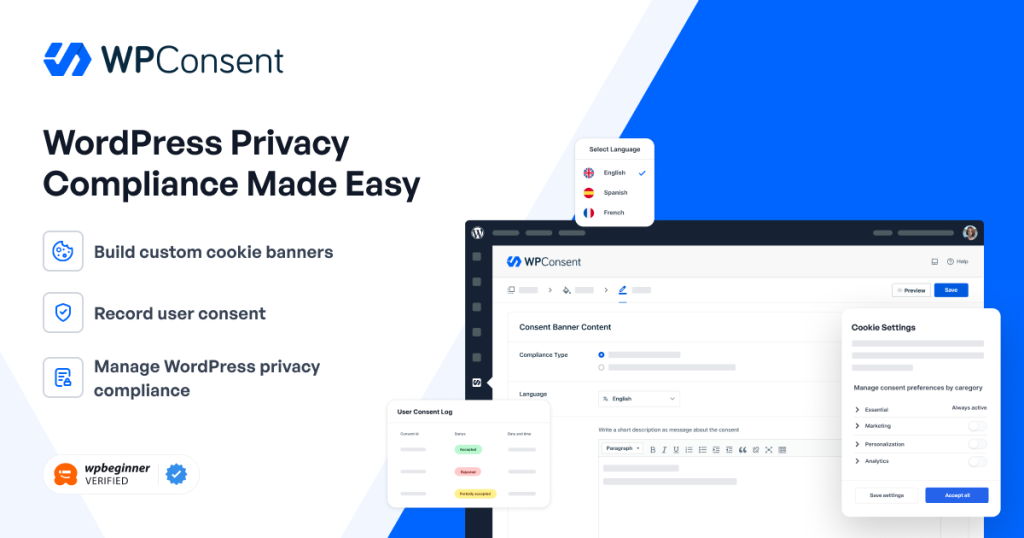
WPConsent is an all-in-one privacy compliance plugin for WordPress. It automatically scans your website for cookies, blocks tracking scripts before consent is given, and lets you create customizable consent banners that actually look good. Unlike SaaS solutions, WPConsent is fully self-hosted meaning all consent data stays on your own server which is better for privacy.
We built it because most cookie consent solutions charge based on page views. For small business owners, that pricing model is just too expensive. WPConsent offers simple, affordable pricing and no surprise bills as your traffic scales for better GDPR and CCPA compliance.
Since launch, WPConsent has crossed 100,000+ installs and become IAB TCF verified. We also added Google Consent Mode v2 support, so you can use Google Analytics and Ads without cookies until users opt in.
We also have a free version of WPConsent that you can download straight from the WordPress plugin directory.
WPChat

WPChat is a live chat plugin for WordPress that connects your website visitors to your support team via WhatsApp, Messenger, and Telegram — the apps they already use every day. It includes AI-powered FAQs that answer common questions 24/7, Chat Funnels to guide visitors toward a purchase, agent management for teams, and built-in analytics to track performance.
We built it because I saw a huge gap in the market for WhatsApp-based chat solutions. A large portion of our international users rely on WhatsApp as their primary communication tool, and they’ve been asking us for years to build something like this. WPChat fills that need.
This one just launched, so we’re early but I’m excited about where it’s headed. If you’re looking for a simple way to offer live chat support through WhatsApp, Messenger, or Telegram, you can start with our free version of WPChat from the WordPress plugin directory.
SugarCalendar Bookings
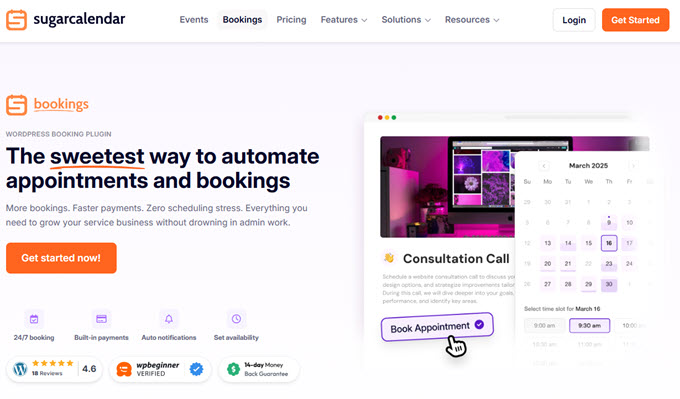
SugarCalendar Bookings is an appointment scheduling plugin for WordPress that lets customers book time slots directly from your website. It includes service management, availability settings, Stripe payments, automated confirmation and reminder emails, and a clean booking calendar you can embed anywhere using blocks, shortcodes, or Elementor widgets.
It’s built for service businesses such as salons, barbers, consultants, coaches, personal trainers, and anyone who gets paid for their time.
We built it because most booking solutions are SaaS tools that charge way too much for what small business owners actually need. On top of that, we kept hearing from WPForms users asking for a proper booking solution. Rather than bolt it on as a feature, we decided to build a dedicated product that does it right: simple, affordable, and fully self-hosted.
We also have a free version of SugarCalendar Bookings that you can download straight from the WordPress plugin directory.
RewardsWP
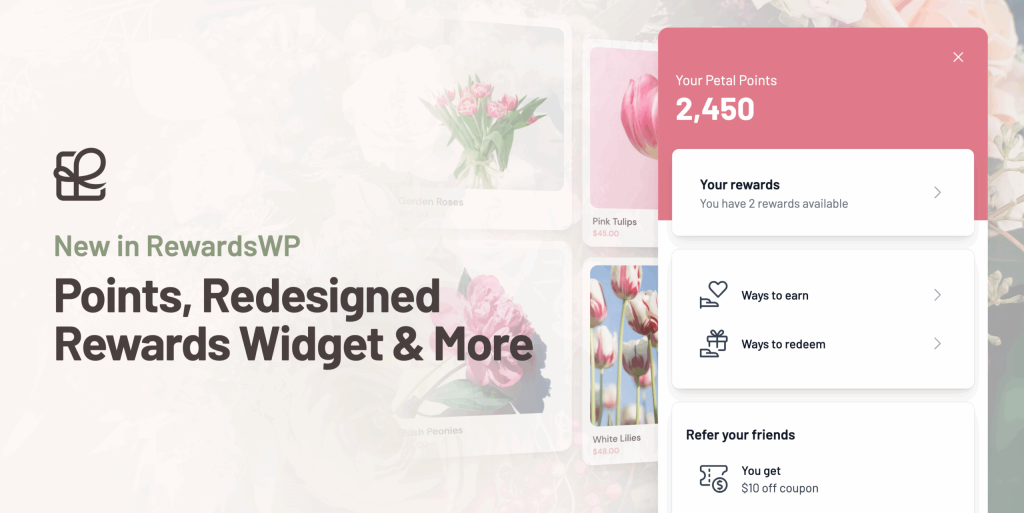
RewardsWP is a referral program plugin built specially for WooCommerce and Easy Digital Downloads. It lets store owners create refer-a-friend programs where customers earn rewards for bringing in new buyers. It includes a points system, double-sided incentives (so both the referrer and the friend get rewarded), automated emails, a branded rewards widget, built-in fraud prevention, and real-time analytics.
The best part is that it’s all fully self-hosted on your own server, and there’s no expensive SaaS pricing, transaction fees, etc.
We built it because AffiliateWP is the leading affiliate management solution for WordPress, and our customers kept asking for a referral or rewards-based program for their everyday customers, not just affiliates.
These are two distinct strategies that work well together: affiliates promote your products for commission, while customers refer friends for rewards. RewardsWP fills that gap.
You can purchase RewardsWP as a standalone plugin, or bundle it with AffiliateWP if you want the best of both worlds.
WPFilters

WPFilters is a content filtering plugin for WordPress that lets visitors narrow down posts, WooCommerce products, Easy Digital Downloads, and custom post types using faceted, Amazon-style filters. It includes pre-built filter blocks you can drag and drop into any page, support for taxonomies and custom fields (including ACF), hierarchical category filters, and shareable filter URLs, all without writing any code.
We built it as a complement to SearchWP, the leading advanced search plugin for WordPress. Great website search helps people get close to what they want, but filtering is what helps them zero in on exactly the right result. For eCommerce store owners especially, faceted filtering can be the difference between a bounce and a sale. Our users kept asking for this, so we built it.
WPFilters works as a standalone plugin, or you can pair it with SearchWP for a complete search and filtering experience.
Duplicator Cloud
Duplicator is the leading website backup and migration plugin for WordPress, trusted by over 1,500,000 websites. With Duplicator Cloud, we’ve added native cloud storage directly into the plugin, so you can create secure offsite backups without setting up third-party services like Amazon S3, Google Drive, or Dropbox. Just connect your Duplicator account, select Duplicator Cloud as your storage location, and your backups run automatically.
You also get a detailed dashboard to monitor storage usage, backup activity, and individual backup details across all your sites.
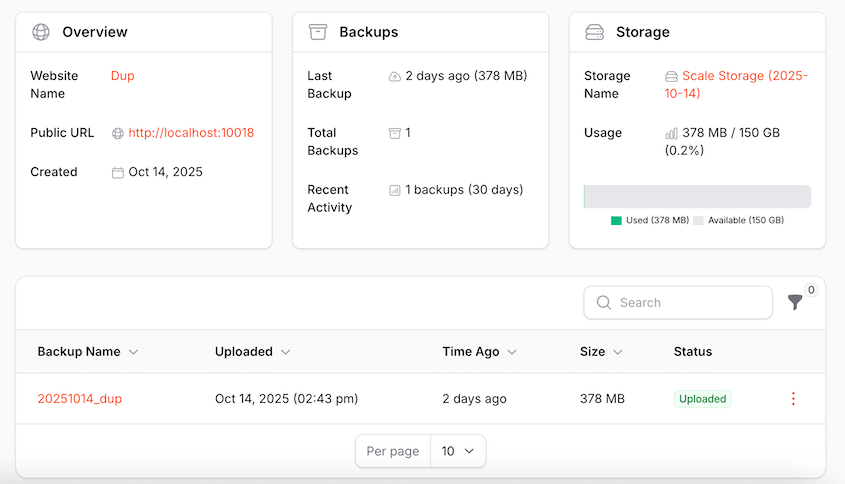
We built this because the old way of setting up offsite backups in WordPress was too cumbersome for beginners and small business owners. You had to create accounts on external platforms, generate API keys, manage credentials, and troubleshoot issues across multiple services. Most people just want their backups to work and now they do, with just a few clicks.
Duplicator Cloud pricing starts at $29/year for 2GB and scales up to 1 TB for larger sites or agencies. If you’re already using Duplicator Pro, you can add cloud storage and start backing up within minutes.
Top Product Highlights
With all our teams doing so much amazing stuff, it’s really hard to pick, but here are few that I think you will really find helpful.
AIOSEO
AIOSEO is the original WordPress SEO plugin, trusted by over 3 million websites to improve their search rankings. It gives you a complete toolkit for on-page SEO, schema markup, sitemaps, local SEO, keyword tracking, internal link suggestions, and more, all without needing any technical knowledge. This year, we went all-in on AI to help small business owners create, optimize, and rank content faster than ever.
Here’s what we shipped in 2025:
AI-Powered Content Creation: We launched the AI Assistant Block, which lets you generate full blog posts, comparison tables, FAQs, and more right inside the WordPress editor. Just type a prompt and watch it write. We also added an AI Image Generator to create custom visuals instantly, plus an AI Content Generator for SEO titles, meta descriptions, FAQs, key points, and social posts.
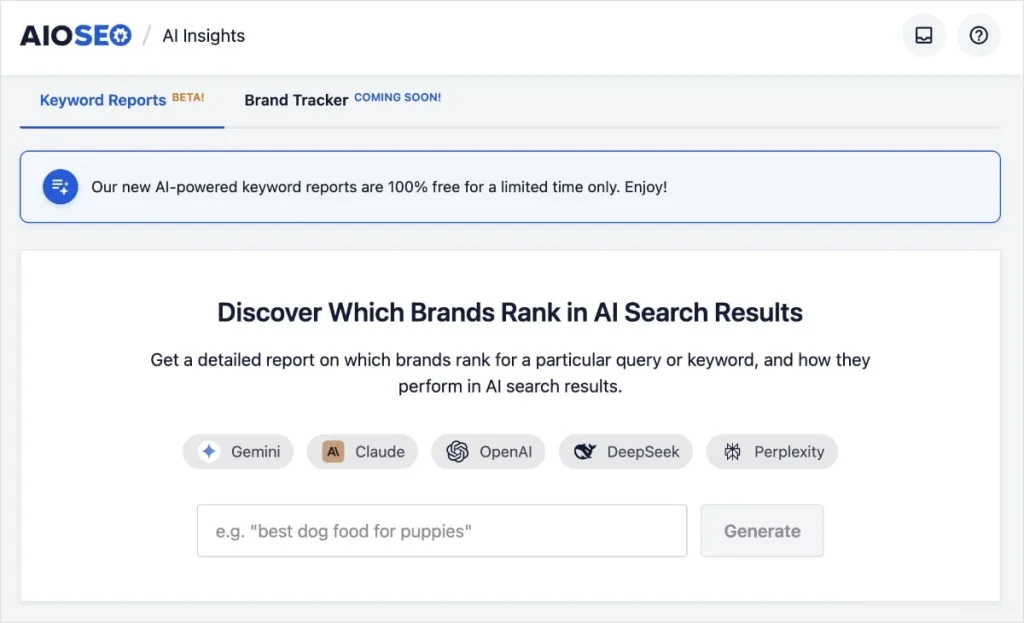
AI Keyword Report: AI search is changing how people discover brands. Our new Keyword Report shows which brands are ranking in AI search results for any query you care about. It’s free for a limited time.
LLMs.txt Generator: Take control of how AI sees your site. This feature lets you decide what content AI engines can and can’t index.
New SEO Blocks: We added a Recipe Block with built-in schema for food bloggers, a Products Block for showcasing products with schema markup, and a completely revamped Table of Contents 2.0 with accordion support and multiple blocks per page.
Revamped Site Audit: Our new SEO Analysis module gives you unprecedented visibility into your site’s SEO health, with homepage audits, full site scans, and actionable fixes all inside your WordPress dashboard.
Advanced Crawl Features: Fine-tune how search engines and AI bots crawl your site with internal search cleanup, bot blocking, and smarter URL handling.
We also have a free version of AIOSEO that you can download straight from the WordPress plugin directory.
Bonus: If you didn’t know this already, AIOSEO also launched a Broken Link Checker that’s now used by over 300,000+ websites.
Broken links silently hurt your rankings and lead to website abandonment. Broken Link Checker by AIOSEO is a standalone plugin that scans your entire site for dead links and lets you fix them in seconds, right from your WordPress dashboard. It runs on our servers so it won’t slow down your site, and there’s a free plan available to get you started.

WPForms
WPForms is the most beginner-friendly WordPress form builder on the market. Over 6 million websites use it to create contact forms, payment forms, surveys, and more with a simple drag-and-drop interface that’s now even easier with AI.
This year we shipped a ton of new features, with a heavy focus on automation and AI:
AI-Powered Forms: We launched AI form generation, letting users describe the form they need and have it built automatically in seconds. We also added AI Calculations, which turns plain English into complex calculation formulas.

PDF Addon: Our most requested feature for years. Users can now generate customized PDFs from form submissions, including invoices, certificates, and receipts.
New Integrations: We added native addons for Notion, n8n, Airtable, Google Drive, Dropbox, Twilio, and Slack, making it easier than ever to automate workflows and keep data synced across tools.
Entry Automation: Schedule automatic exports and cleanups on form entries. For example, automatically export last week’s leads to a spreadsheet every Monday morning, or delete entries older than 90 days to stay compliant.
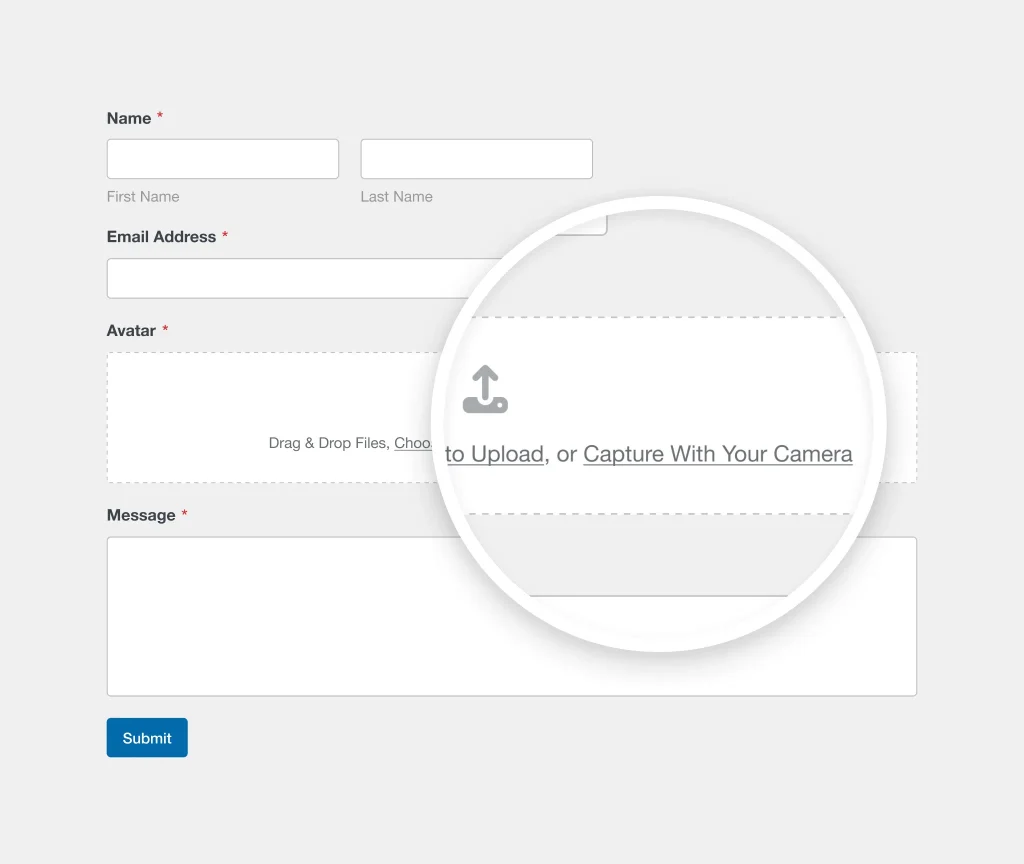
Camera Field: Collect photos and videos directly from user’s phone camera through your forms. We built this because we wanted to collect video testimonials without paying for a third-party SaaS. Users can simply launch their camera app, record a video or take a photo, and then upload it in your form.
This is also great for KYC verification or any other type of form where you need users to take a photo / video.
Form Themes for Everyone: Beautiful form styling is now available for all users, whether you’re using the block editor, Elementor, or shortcodes. No CSS required.
We also have a free version of WPForms that you can download straight from the WordPress plugin directory.
WPCharitable
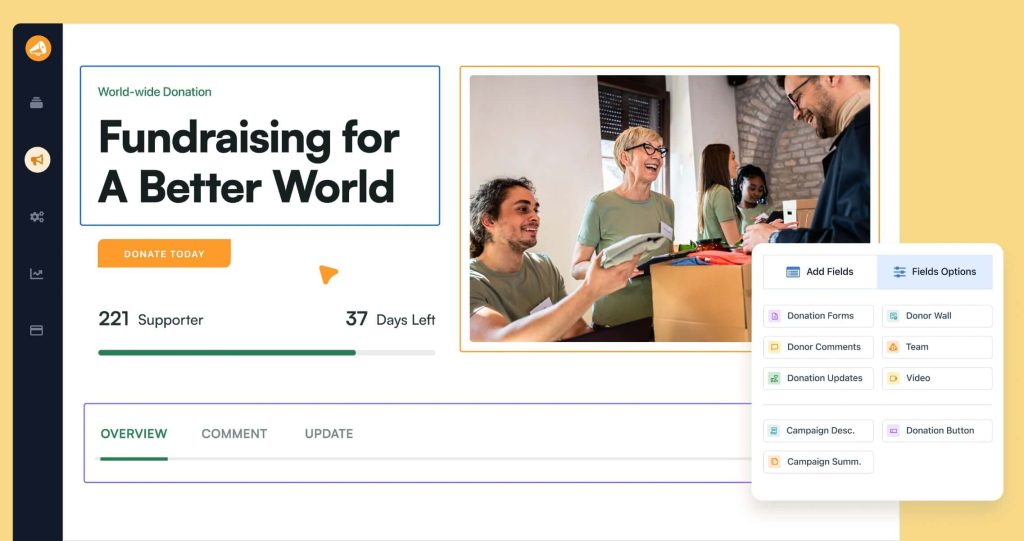
WPCharitable is a WordPress donation and fundraising plugin trusted by over 10,000 non-profit organizations. It lets you create donation forms, run peer-to-peer fundraising campaigns, manage donors, and accept payments through Stripe, PayPal, Square, and more. All without paying platform fees that eat into your donations.
Nonprofits do some of the most important work in the world, but too many are stuck with donation tools that haven’t improved in years. Other WordPress donation plugins stopped innovating, and our users told us they felt forgotten.
That’s why I asked our team to double down on Charitable. Nonprofits deserve modern tools built with their mission in mind, and it’s been incredible to see the impact we’re making.
Here’s what we shipped this year:
Visual Donation Form Builder: Our newest addition. You can now design donation forms visually with drag-and-drop fields, see a live preview as you build, and customize everything from alignment to styling. No code required.
Donor Leaderboard: A highly requested gamification feature that celebrates your top supporters. Display donors in a list or card view, filter by campaign or date range, and inspire friendly competition to drive more donations.

Donor Management System: A complete overhaul of how you manage donors. View detailed profiles, track donation history, add custom fields, and manage everything from one central dashboard in your WordPress admin.
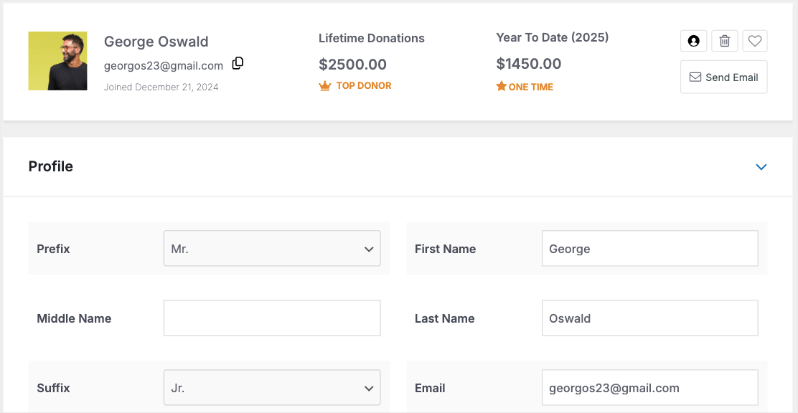
Donor Dashboard: Your donors now get their own self-service portal where they can view their giving history, update recurring donations, download PDF receipts, and manage their profiles.
Modern Payment UI: We redesigned the payment fields with a fresh, modern look and streamlined the gateway selection process for donors.
We also have a free version of WPCharitable that you can download straight from the WordPress plugin directory.
SeedProd
SeedProd is a drag-and-drop WordPress website builder trusted by over 1 million websites. You can use it to create custom WordPress themes, custom landing pages, and custom WooCommerce stores without any code. This year, we went all-in on AI to make website building in WordPress faster than ever.
Here’s what we shipped in 2025:
SeedProd AI Redesign: This is the big one. We completely rebuilt SeedProd AI, so you can go from an idea to a full WordPress website in under 60 seconds. Just enter your company name and describe your business, and our AI generates a complete website with homepage, about, services, and contact pages. Preview it instantly in WordPress Playground, then import it with one click.
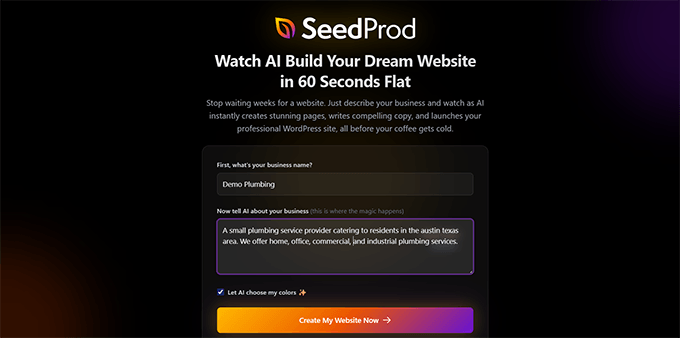
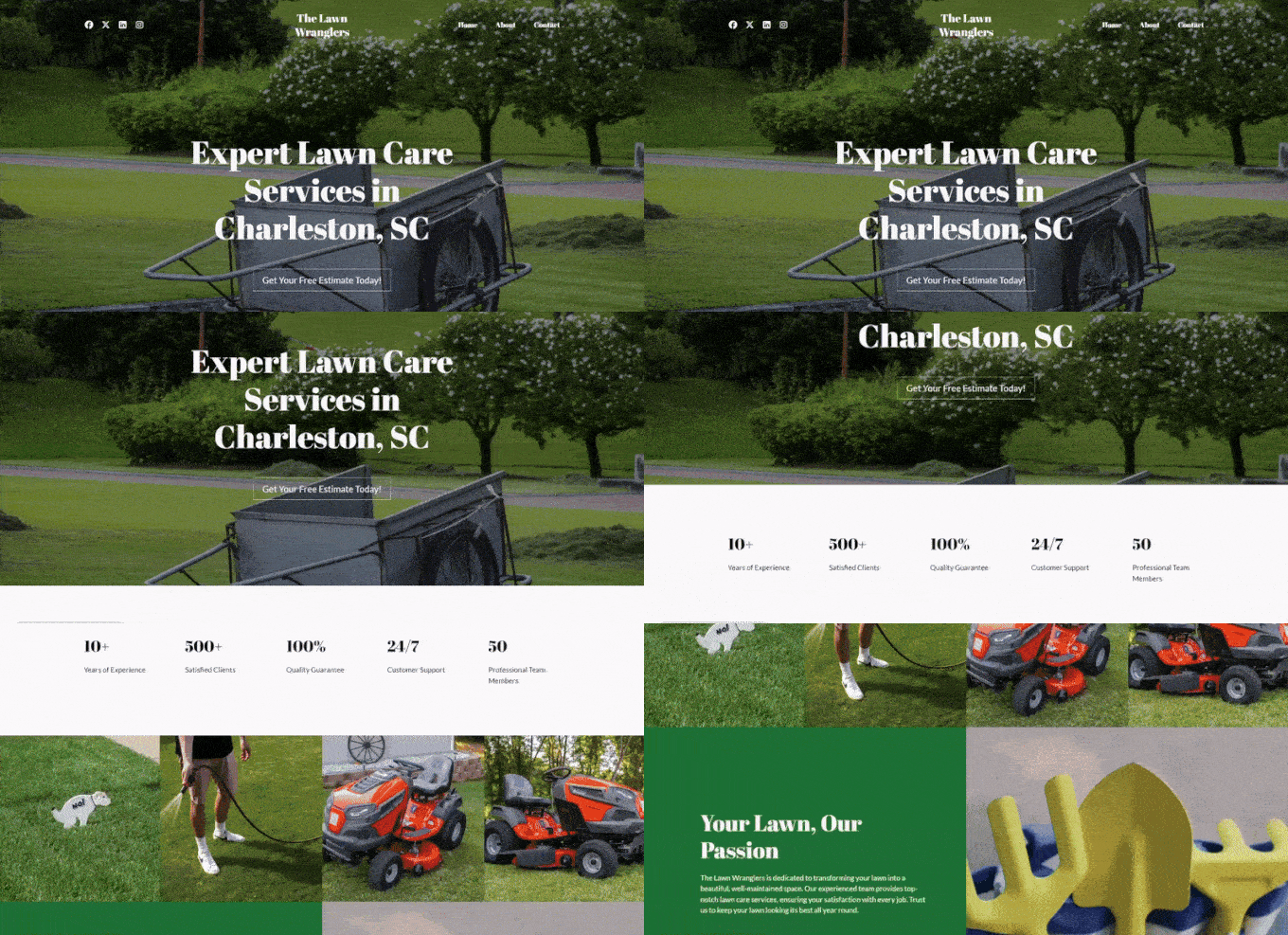
Here’s a quick example website that was ready in just 26 seconds and comes with custom pages, copy, and stock photos that were selected based on the website description my team provided.
New Dashboard: We redesigned the entire SeedProd dashboard based on how people actually use the plugin. Cleaner layout, simpler navigation, and faster access to landing pages, theme builder, and settings. Everything you need is now front and center.
Better Image Carousels + 15 Industry Themes: Our Image Carousel block got a major upgrade. You can now add custom text and call-to-action buttons directly on each slide. We also added 15 new industry-specific themes for business, health, real estate, authors, and more.
You can try the SeedProd AI website builder for free on our website.
Other Notable Product Highlights
- MemberPress, the most popular WordPress membership and courses platform, launched ClubSuite to bring community features directly into your membership site. It includes ClubCircles for private discussion forums and ClubDirectory for searchable member profiles. Combined with CoachKit for coaching programs, MemberPress now lets creators build, teach, and foster community all in one place.
- Easy Digital Downloads, the WordPress eCommerce plugin that we use to sell our software products, added built-in EU VAT handling for Pro users, eliminating the headaches of country-specific tax rates and VAT validation. We also launched a Cart Preview feature with AI-powered product recommendations that learns your catalog and suggests relevant items to boost average order value. Plus, a new Elementor integration lets you build fully customized checkout pages with drag-and-drop.
- Uncanny Automator is like having Zapier or n8n built directly into WordPress, with 210+ integrations and no per-task fees. This year we added 7 more AI integrations including Claude, Grok, Perplexity, and Gemini on top of OpenAI which we had for a while. Combined with our existing native integrations for WooCommerce, MemberPress, Google Sheets, Slack, and hundreds more, you can now build AI-powered automations that save hours of manual work every week.
- Sugar Calendar Events, our powerful event calendar plugin for WordPress shipped enhanced recurring events, a new RSVP addon, speaker profiles, and expanded payment options including Apple Pay, Google Pay, Klarna, and Afterpay. More and more users are switching to Sugar Calendar from The Events Calendar because we’re innovating faster and our plugin is not bloated.
- WPCode,the most popular code snippets plugin added 20 new schema markup generators, 1-click snippet updates from the library, and 38 new Smart Tags that let you pull data from WooCommerce, EDD, MemberPress, and more into your snippets. Our WPCode AI generator help you create custom code from plain English. We also enhanced Search & Replace Everything with smart search history and the ability to replace images across your entire site.
All our product teams have been doing great work, and it’s nearly impossible for me to summarize everything here, so I highly recommend that you check them out individually. Your support means a lot to me.
On Partnerships and Time Horizons
Over the years, I’ve been blessed to work alongside some of the most talented and high integrity individuals without whom the companies we’ve built wouldn’t exist.
In many of my businesses, I have co-founders or operating partners who deserve a lot more credit than I do for the success of the respective business.
In 2013, I launched OptinMonster with my co-founder, Thomas Griffin. This was the first premium software business for Awesome Motive and what started the pivot from building a media company with re-occurring revenue to building a software company with predictable recurring revenue.
I expected we’d still be working together long into our 90s, and we even joked about that at times. But as they say, with each year we age, it brings a different perspective and timelines can change. That’s perfectly rational.
The best partnerships aren’t measured by their length but by their quality and what they build. We built well. OptinMonster laid the foundation for my SaaS journey.
When people’s time horizons diverge, the mature response isn’t disappointment, it’s gratitude for the years aligned and respect for the honesty to recognize when they’re not.
I’ve learned that in business, as in investing, you can’t force someone else’s timeline to match yours. The companies that endure do so with whoever wants to make the journey, not with whoever you wish would.
12 years was a remarkable run. I’m grateful for it, and as a friend, I’m excited for Thomas in this next chapter of life as he focuses on family.
This isn’t the first time I’ve bought out an operating partner in one or more of our businesses, but given the scale of things, it was the single largest stock buyback I’ve done to date.
I truly believe what we’re building at Awesome Motive is going to be generational. I don’t know anymore than the next person on what the future looks like 15 years from now, but what I do hope is that we’ll continue to be here helping small businesses grow & compete with the big guys while being a net positive for America and the world.
As my good friend Mong-gyu Chung (Chairman of Hyundai Development) reminded me at our meetup in November that “success isn’t just about expansion or victory, it’s about continuity.”
Success is not a destination or a singular event, but an ongoing, continuous journey of progress, growth, discipline, and resilience.
Acquisitions and Other Investments
On the acquisition front, we welcomed aThemes to our family of brands. They’re the makers of the popular Sydney theme and Botiga, one of the best WooCommerce themes on the market. Combined, these themes power over 130,000+ websites and maintain an impressive 4.9 out of 5-star rating on WordPress.org.

This acquisition aligns with something our users have been asking for: a high-quality, accessible WordPress theme built by people who understand the ecosystem. I’m excited to share more innovation our team is working on for 2026.
On the flip side, we exited our investment in Seahawk Media and discontinued WPBeginner Pro Services. We helped Seahawk achieve significant growth during our partnership, but ultimately decided to refocus on what we do best: building software businesses. We’re a products company by DNA, and that’s where I want all our energy going into 2026.
Outside of WordPress, most of my investments this year were in public equities, which performed well given the bull market. I also made numerous other private investments through various funds that I am a part of. I’m not going to go into details there, but overall I’d say they’re doing fairly ok.
Going into 2026, my approach remains unchanged: stay disciplined, operate with cautious optimism, and maintain a large margin-of-safety to protect our team and customers.
Bull markets can make everyone feel like a genius, but as Munger warned, beware of “prosperity-blinded indifference to unnecessary costs.” The best time to stay disciplined is when things are going well.
On that note, if you’re a founder looking for an exit or an investment, check out my M&A program page to send me a message. This will help you get a fair exit while saving on the broker fees 🙂
Observations and Lessons
In previous years, I called this section “Lessons Learned.” I’m changing it to “Observations and Lessons”.
Most of what we think we’ve learned is just a snapshot of our understanding at a particular moment. The variables can change sometimes and the context shifts. What seemed obviously true often turns out to be conditionally true … or occasionally, just wrong.
I’m not less confident in my judgments. I’m just more honest about their shelf life.
By sharing observations instead of just lessons, I’m doing two things: First, I’m reminding myself that I’m still learning. Second, I’m giving you the raw material to draw your own conclusions rather than packaging my current thinking as settled wisdom.
So here are my observations from 2025. Take what’s useful, question what isn’t, and check back in a decade to see which ones aged well.
Ownership, High Agency, and Impact Players
There’s a simple truth that I’ve observed throughout my career:
- Those who take ownership don’t make excuses
- Those who make excuses don’t take ownership
These two statements I believe are mutually exclusive – we cannot do both simultaneously. I have found this to be a very good self-reflection exercise.
Most people with high integrity will always take ownership.
But taking ownership alone isn’t what makes someone an Impact player (in my lexicon, Impact players are a level above A players). The second very important aspect that separates Impact players from the rest is Very High Agency.
High Agency is a belief that you can make things happen instead of waiting for others to do it for you. Basically the opposite of feeling or staying stuck. Impact players (aka High Agency individuals) see possibilities where others see barriers.
High Agency is a spectrum – image borrowed from George Mack’s wonderful essay on High Agency.
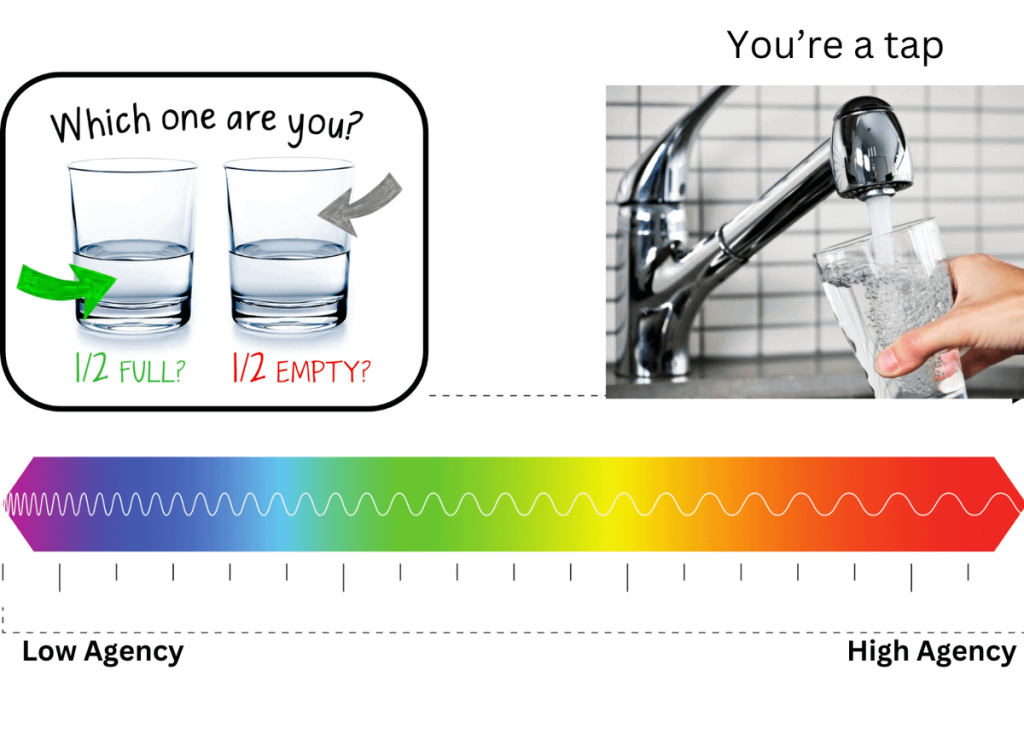
In every team, you have A players, B players, C players, etc. Most consultants and experts talk about this, but they all stop there.
I believe there’s a level above A player which is an Impact player. They operate on the far right of the High Agency spectrum.
I borrowed this concept from the cricket league: IPL (Indian Premier League). In this league, you have some of the world’s best cricket players playing the game. Depending on the situation, the teams are allowed to substitute in an Impact player along with the full team, and they can often change the outcome of the game.
When you find an Impact player in your team, you should give them all the resources they need and get out of their way, so they can do what they’re already incredible at.
The Hype Trap = Blindspots and Mediocre Results
I’ve had the privilege of seeing behind the scenes in hundreds of companies over the years. One pattern that I am very cautious of now is the founder’s ability to create hype to investors / partners vs. their discipline to execute against the vision.
The ability to generate excitement is valuable. But when founders start believing their own pitch as if it’s already reality, they lose focus on the hard work of actually building.
I’ve watched businesses see modest growth in revenue and still massively underperform their potential. Not because the market wasn’t there. Not because they lacked resources. But because the founders were so convinced by their own narrative that they couldn’t see what actually needed to be done.
There’s a crucial distinction between the story you tell to grow a business and the truth you need to operate one. When you confuse the two, every shiny opportunity looks like the right move. You chase momentum instead of building strong foundations.
The best founders I know can sell a compelling vision while remaining brutally honest with themselves about execution. They know the difference between what sounds cool vs. what actually moves the business forward.
When you can’t make that distinction, you end up with a great blindspot and mediocre results wondering years later why the potential never materialized.
Misleading Lens of Envy
What I’ve observed is when envy enters the equation, people’s perception of reality becomes distorted. The same action can be interpreted as wise or wasteful, generous or greedy, thoughtful or selfish, depending entirely on whether envy is coloring the lens.
Someone investing in their health becomes “a rich guy doing rich guy things.” A difficult but necessary business decision becomes “they did this for selfish reasons.” Generosity is reframed as guilt. Success is reframed as luck or exploitation.
The fascinating part is that the envious person rarely sees this distortion in themselves. They genuinely believe their interpretation is the objective truth. They’ll find evidence to support their narrative while ignoring everything that contradicts it.
I’ve come to accept that this is simply human nature. We’re all susceptible to envy at times myself included. The difference is whether we recognize it and correct it, or whether we let it poison how we see others.
When someone’s interpretation of your actions seems wildly disconnected from your intent, consider that you might be seeing envy at work. It’s rarely personal, even when it feels deeply personal. Their story says more about their internal state than it does about you.
The Speed and Quality Paradox
One of the hardest things in business, especially in a fast moving industry is finding the balance between speed and quality. Too often, founders treat these as opposing forces. You either move fast and break things, or you take your time and get it right.
The reality is a bit more nuanced.
Move too fast without regard for quality, and you’ll spend more time fixing mistakes than you saved by rushing. You erode trust with customers. You burn out your team. You build a reputation for sloppiness.
But obsessing over perfection at the expense of speed means the market will move on without you. Competitors will ship while you’re still polishing. By the time you ship your “perfect” solution, customers have already chosen an alternative, and now you’re fighting a different battle of “switching costs”. In a fast-moving market, late is often the same as wrong.
What I’ve observed is that the best operators don’t choose between speed and quality, they build systems that allow for both. They know which decisions are reversible (move fast) and which are irreversible (slow down). They set clear quality bars upfront so teams aren’t guessing. They ship fast, then iterate, but they never ship broken.
The goal isn’t perfection on day one. It’s momentum with standards.
Continuous improvement will always beat delayed perfection.
The Gift of Undivided Attention
In a world of constant notifications and endless distractions, the most powerful thing you can give someone is 100% of your attention.
Not half-listening while scrolling. Not nodding along while mentally drafting an email. Not being physically present but mentally somewhere else.
Full, undivided, complete attention.
I’ve noticed this most in parenting. When I put my phone away and give Solomon my complete focus even for just 20 minutes, the quality of our connection is entirely different than an hour of distracted “hanging out.” He feels it. Kids always do. They know the difference between a parent who’s there and a parent who’s really there.
The same applies to marriage. Some of my best moments with Amanda aren’t elaborate date nights. They’re simple conversations where neither of us is looking at a screen. Just two people fully present with each other.
The most powerful thing in any relationship is giving someone 100% of your attention. It costs nothing but has become incredibly rare which is exactly what makes it so valuable.
This extends to business too. When I’m in a meeting, I try to be fully in that meeting. When I’m talking with a team member, they have my complete attention. People can feel when you’re truly listening versus waiting for your turn to speak. Trust is built in those moments of genuine presence.
The irony is that we think we’re being more productive by multitasking and splitting our attention. But fractured attention leads to fractured relationships. The people who matter most to us end up getting our mental leftovers.
My challenge to myself and to you is when you’re with someone, be with them. Put the phone down. Close the laptop. Make eye contact. Listen fully.
It’s the simplest thing in the world, and somehow the hardest. It’s one of the most meaningful gifts you can give to anyone.
Walls Have Ears – The Illusion of Private Conversations
My grandmother used to say “walls have ears”, meaning be careful what you say because you never know who’s listening.
I’ve found this to be remarkably true in business. One thing I’ve observed over the years is that very few conversations remain truly private, especially over a long period of time.
In the age of screenshots, forwards, and shared access, what people say when they think no one is watching has a funny way of reaching exactly the people they’re talking about.
This isn’t necessarily a bad thing. It helps bring clarity. It reveals who people really are when they believe there are no consequences. And more importantly, it reveals who in your network has genuine integrity and is willing to give you a heads up.
I’m deeply grateful for those in my life who recognize when a narrative doesn’t match reality and choose truth over tribalism. You know who you are. Thank you. Your quiet honesty means more than you know.
There’s a Big Gap Between Social Posts and P&Ls
Over the years, I’ve had the privilege of looking “under the hood” at the actual financials of some of the most visible personalities in the business world. It’s been an illuminating exercise to say the least.
There is often a wide gap between a person’s public “theatrical” success and their private economic reality. We see claims of impressive revenue that, upon closer inspection, are actually just high-speed treadmills with lots of movement, but very little profit left for the owners at the end of the day.
These “fabrications” are designed not to build a business, but to build a following. There are claims of $XM ARR that, in reality, are a mere fraction of that. There are growth trajectories that sound compelling until you see the actual financials and realize the business is losing money faster than it can find new customers.
The trouble isn’t just that the numbers are being polished. It’s that this “creative framing” negatively impact the next generation of founders and builders. They follow these influencers, absorb their advice, and try to replicate strategies that don’t actually work the way they’re described. You’re better off asking Gemini or Claude 🙂
If you find yourself looking for a mentor, my advice is to ignore the megaphone loud mouth personalities. Look instead at the “quiet” businesses, the ones where the founders don’t have to brag about their profits and revenue numbers because they are too busy tending to their customers and are comfortable with their inner scorecard.
The way you can quickly identify it is if someone’s posting constantly about their success, look at what they’re actually selling. Often, it’s the story of success, not the product that created it.
My recommendation is to find businesses and entrepreneurs you genuinely admire, then learn by watching what they actually do, not what they post. Study their onboarding funnels, their website messaging, their ads, their go-to market strategy, etc. Their work speaks for itself.
Similarly for investing, follow the 13-Fs of superinvestors and read their memos when publicly available. Watch what they do with their capital, not what influencers say on podcasts.
5 Ascending Levels of Intelligence
There’s a quote attributed to Einstein about the five ascending levels of intelligence: smart, intelligent, brilliant, genius, simple.
I love this framework because it flips our typical assumptions. We tend to equate complexity with sophistication. But the highest form of intelligence isn’t the ability to make things complex, it’s the ability to make them simple.
Steve Jobs said it well: “Simple can be harder than complex. You have to work hard to get your thinking clean to make it simple. But it’s worth it in the end because once you get there, you can move mountains.”
What I’ve experienced in business is that people often fall into a trap when they’re trying to prove themselves whether it’s a new employee, an insecure founder, or anyone battling imposter syndrome. They believe that a complicated solution signals intelligence. That complexity equals competence. So they present elaborate frameworks, multi-layered strategies, and intricate processes, thinking this is what will earn them respect or credibility.
It’s understandable. When you feel like you need to prove you belong, you want to demonstrate that you’ve thought deeply about something. And complexity feels like depth.
But it’s usually the opposite.
Complexity is the enemy of execution. Anyone can make something complicated. The real skill is making it simple enough that it actually gets done.
The most effective leaders and operators I know relentlessly simplify. They take a tangled problem and reduce it to its essence. They can explain their strategy in one sentence. They build processes that anyone can understand in minutes, not months.
This isn’t dumbing things down, it’s the opposite. It takes far more intellectual work to distill something to its simplest form than to leave it complicated.
If you ever catch yourself overcomplicating something, pause and ask: am I solving the problem, or am I trying to prove something? The answer is usually revealing.
The goal isn’t to impress people with complexity. It’s to achieve clarity. Find the simple solution that everyone else likely has overlooked because they were too busy overengineering.
That’s one of the easiest ways to stand out and earn respect from your peers.
AI Adoption and the Growing Productivity Gap
This year, I’ve watched a clear divide emerge between two types of people: those who are embracing AI and leveling up, and those who are resisting it and falling behind.
The gap in productivity between these two groups is already significant. And honestly, it’s a little scary how fast it’s widening.
I’ve heard countless reasons for resistance: “AI only produces slop”, “AI is not reliable”, “AI can’t do what I do”, “It’s just a fad / bubble”, etc.
My observation is that when someone says AI is only capable of producing slop, it’s likely that they’re not good at prompting. The people getting incredible results from AI aren’t lucky. They’ve put in the reps to learn how to use it effectively. They’re good at prompt / context engineering.
The quality of the output entirely depends on the input and the skill of the person prompting.
In my experience, insecurity is the #1 reason that’s driving AI resistance. People who have built their identity around a specific skill feel threatened when that skill becomes augmented or automated. Rather than adapting and leveling up, dismissing feels like a safer option. It’s a defense mechanism and that’s understandable, but it’s also dangerous.
Here’s the uncomfortable truth that I have picked up from many history biographies: Innovation and disruption don’t care about your past success. They only care about your future adaptability.
The people thriving right now aren’t necessarily the smartest or most talented. They’re the ones who rolled up their sleeves and dove in. They experimented, failed, learned, and got better. There’s no substitute for that hands-on experience.
My recommendation for everyone reading this post is to stop debating whether AI is overhyped or underhyped. Just start using it and put in the reps. You’ll continue to get better as you experiment more with it.
The one thing I know everyone agrees on is that this is the worst the AI models are ever going to be, and things are getting better at an incredibly fast pace.
The productivity gap is only going to grow.
Here are a few simple tips that I’ve shared with others which they’ve found helpful in their AI journey.
Basic Prompt Structure
To improve your prompts, structure it like this: Role, Context, Outcome, Constraint
Since AI tends to think in absolute terms at times, it’s generally a good idea to add this rule at the end of your prompt:
Only think in the good, better, and best case perspectives. I’m not always right, and you’re not always right either.
Use SuperWhisper (Text to Speech) vs. Typing
I find that when we use a voice to text tool like SuperWhisper, our prompts are better structured. We give more detail and context similar to as if we were talking to a peer or jr. team member. Compared to when I type, sometimes it’s convenient to take a shortcut which leads to subpar output.
What I really like about SuperWhisper is it’s a local Mac app and the data doesn’t go to any cloud which is much better for privacy compared to other voice to text SaaS tools which are a privacy nightmare.
The Opposite of a Good Idea Can Also Be a Good Idea
This concept took me years to fully internalize: the opposite of a good idea can also be a good idea.
It sounds contradictory, but it’s true more often than we’d like to admit. Move fast and ship quickly? Good idea. Slow down and be methodical? Also a good idea.
The problem is that our brains love binary thinking. We instinctively frame decisions as either/or. One approach must be right, which means the other must be wrong. We pick a side and defend it, often dismissing the alternative without fully considering it.
But two opposing ideas can both be true because context matters.
What works for a bootstrapped company may be wrong for a venture-backed one. What works in a growing market may fail in a contracting one. What works for your competitor may be entirely wrong for you even if it’s objectively a “good” strategy.
The question I’ve learned to ask isn’t “which approach is right?” It’s: “How can each approach help us get to the outcome we want?”
This reframe is powerful because it removes blindspots. Instead of dismissing the opposite idea outright, you’re forced to consider its merits. Sometimes you’ll discover that the approach you initially rejected is actually better suited for your situation. Other times, you’ll find elements of both that can be combined.
The goal isn’t to be right. It’s to find what works. And that requires holding space for the possibility that the opposite of your good idea might also be good.
Other Interesting Thoughts and Wisdoms from 2025
Since this post is getting quite long, I’ll just make a short bullet list. Although unlikely, I may share more about these in details at another time:
- Note from Lessons for Solomon diary: you think you want nice stuff, but what you really want is respect, admiration, and attention.
- The key to happiness is being content with what you have, and its antidote is focusing on what you don’t.
- Note from Lessons for Solomon diary: Dreaming big and dreaming small takes the same amount of effort. Might as well dream big because it costs nothing extra 🙂
- Nothing in life is as important as you think it is when you are thinking about it.
- When you envy someone, remember that the picture you have of their life is almost always incomplete.
- Mediocrity is always invisible until passion shows up and exposes it.
- Small things become big things. The one who shows up with energy and enthusiasm for the small things is the one who will eventually unlock the big things. Show up for the small to unlock the big.
- People who can’t communicate think everything is an argument. People who lack accountability think everything is an attack.
- “Never attribute to malice what can otherwise be attributed to stupidity.” – Hanlon’s Razor
- If you get the major trend right, you can make mistakes and still succeed.
- Two things that cost you nothing and pay perpetual dividends: Don’t talk shit and Don’t complain.
- Small changes at scale yield massive impact. Never underestimate the power of small, consistent changes quietly compounding.
- Crazy things can last a lot longer than reasonable people think possible. Important investing wisdom: Patience works both ways.
- Innovation and disruption doesn’t care about your past success. It only cares about your future adaptability.
- As you start to walk on the way, the way appears. – Rumi
- Time is a form of capital distributed evenly among everyone.
- Small defensive reactions to feedback compound into major blind spots over time. Often people get defensive to protect the ego. Smart people embrace feedback because they want to protect their growth.
- Observation: Those who are good at judgment are often great at second-order thinking.
- Accountability is the glue that ties commitment to results. You cannot scale your business without it.
- What seems like a lot isn’t always that much when you break it down. Measure everything!
- Tell us about something mischievous you did as a child is a great ice-breaker question. I am really enjoying collecting good ice-breaker questions, so if you have a favorite one, let me know in the comments below.
Favorite Readings and Resources
- Borrowed from Your Grandchildren by Dennis Jaffe. Good read for generational planning.
- 1929 by Andrew Ross
- The Art of Spending Money by Morgan Housel – don’t let the title mislead you. It’s less about learning how to spend money and more about the Psychology of Money continuation.
- The Outsiders by William Thorndike
- The 5 Types of Wealth by Sahil Bloom
- Founders podcast by David Senra – this is a reading cheat code because David covers the best highlights from each book. Also on his website, he shares the summaries. For example the episode on Thomas Peterffy is a fun one, such an incredible story.
- I didn’t read as many books this year as most of my free time was focused on reading tweets / watching videos about AI and then experimenting with what I learned.
My Goals for 2026
I won’t be listing out product-specific goals since each of them have fairly elaborate roadmaps already.
My personal goals for 2026 are:
- Adjust to life as a family of four — Aliyah’s arrival changes everything in the best way, and I want to be intentional about being present during this season.
- More Quality time with Solomon — He’s 9 now and growing up fast. I want to be intentional about 1:1 time with him before he’s a teenager. The backyard cricket matches and fishing trips are some of my favorite moments.
- Support Zain through his transition — He’s graduating college this year, and I want to be there for him as he figures out what’s next.
- Continue being intentional about my health — the cold plunges, sleep discipline, and caffeine-free lifestyle have been game changers, and I want to protect this momentum.
- Disciplined capital allocation and continue compounding — this never changes.
- Double down on my closest relationships — family, friends, and the people who matter most
- Go deeper on AI — not just for the team, but for me personally. The field is evolving so fast, and I’m genuinely excited about the potential. I must stay on the cutting edge.
- Level up as a leader — Growth demands evolution. I want to be more intentional about creating capacity for new opportunities and continuing to elevate the leaders around me.
Despite all the changes this year, I am incredibly grateful to be able to do what I love every day surrounded by the people I love.
Here’s to an even better 2026!
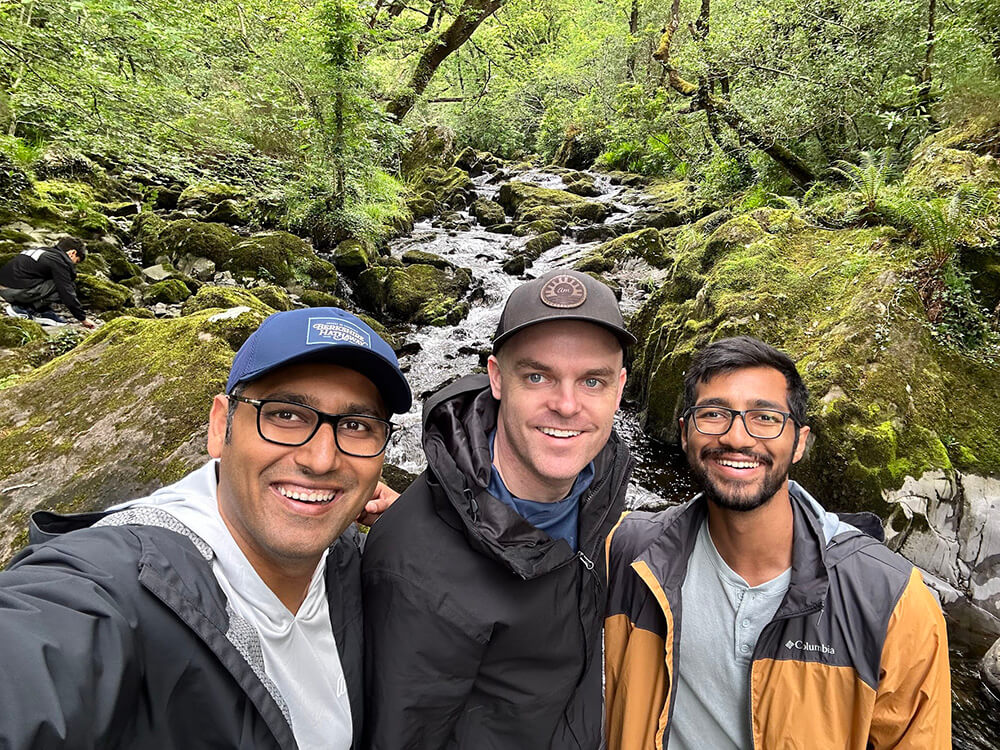
In the meantime, enjoy more pics from the year 🙂




















Hi, congratulations on your daughter. You once advised me to switch my business model as a tutor, but at the time I wasn’t putting in the work I knew I should, so I never acted on it and only kept thinking about it. After a difficult 2025 and moving to Turkey to study business and marketing, your words stayed with me. Like you said, the years that stretch you often end up compounding in a good way. I’ve finally started working on that new model, and I wanted to thank you for the idea and the push. You and Amanda have had a real impact on me. I looked you both up today and found even more to learn. I’m still early in my journey, with a long life ahead, and people like you who share so openly help more than you know. I’ll be reading more of your posts and blogs. Thank you — this really meant a lot. (edited by AI)
Thank you for the kind words and hope you are enjoying Turkey. Istanbul is one of my favorite cities.
Happy to hear about your daughter, lots of new things coming and learning opportunities.
Thank you Ionut
As always like before, your year in review are always packed with experiences.
Finding balance between moving fast and quality is really crucial. I’ve seen a lot of people adopting AI saying it’s better to move fast and break things whereas you just said the truth about finding balance.
I really must commend you also for balancing business with family.
Congratulations on your new baby girl, and wishing your family the best.
Thank you Tunde
You have been an inspiration since I started following your blog at WPBeginner, and your yearly reviews have been amazing. You are the reason I started doing annual reflections since 2019. Thank you and happy New Year.
Thank you Ousman. Would love to check out your year end reviews if you have them public 🙂